
If you are thinking about composite bonding, there is a good chance one question keeps coming back: will it damage my natural teeth? It is a fair thing to worry about. Your teeth are not something you can replace easily, and nobody wants to trade a nicer smile today for problems later on.
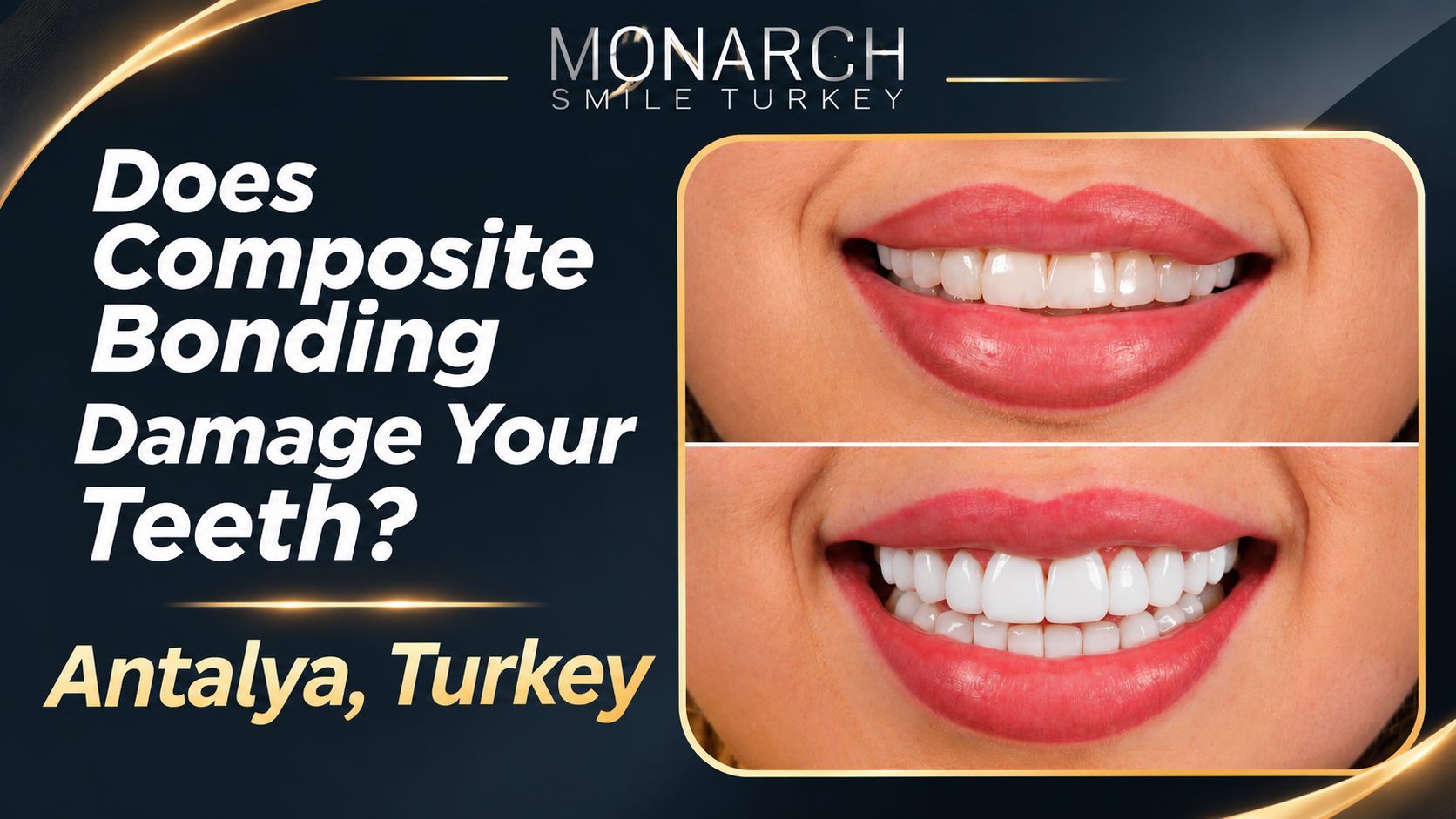
The short answer is reassuring. When composite bonding is planned and done properly, it is one of the gentlest cosmetic treatments in dentistry. But "properly" matters, and there are a few things worth understanding before you book. In this guide, our team at Monarch Smile Turkey in Antalya explains what really happens to your teeth during bonding, where the risks come from and how to keep your smile healthy for years.
What Happens to Your Teeth During Composite Bonding?
Composite bonding uses a tooth-coloured resin that is shaped directly onto the surface of your teeth. Your dentist chooses a shade that matches your smile, applies the material in thin layers, sculpts it by hand and hardens each layer with a curing light. Finally, the teeth are polished so they look smooth and natural. If you are new to the treatment, our guide on what composite bonding is covers the basics.
Before the resin goes on, an acidic etching gel creates microscopic changes in the enamel surface to help the composite adhere. This is different from drilling or filing the tooth, but it still changes the surface. Bonding often requires little or no enamel removal; some cases need reshaping, which your dentist should explain beforehand.
This is the main difference between bonding and treatments like crowns or porcelain veneers, which usually need some reshaping of the natural tooth. With bonding, the work is mostly additive. Material is added to your tooth rather than taken away.
So, Does Composite Bonding Damage Your Teeth?
Composite bonding can preserve more natural tooth tissue than treatments that need extensive preparation. However, the risks depend on your tooth health, bite and the amount of preparation required, even when an experienced dentist provides treatment.
That said, it would not be honest to say there are zero risks. Problems tend to come from three places:
The Way the Treatment Is Done
If too much enamel is removed, if the bite is not checked carefully, or if the composite is placed over decay or gum problems that have not been treated, issues can appear later. This is why choosing the right clinic is so important.
The Material Itself
Composite resin is strong, but it is not as tough as natural enamel. It can chip, wear down or pick up stains over time, especially if it is not looked after.
Your Daily Habits
Grinding, nail biting and using your teeth as tools put a lot of stress on bonded edges. These habits are behind many of the chips and breaks we see.
Bonding is not risk-free. Careful planning, appropriate technique and ongoing care help reduce complications, but cannot eliminate them. Your dentist should explain the risks and alternatives for your teeth before treatment.
Can Teeth Decay Under Composite Bonding?
Bonding does not make your teeth immune to cavities. If plaque builds up around the edges where the composite meets the tooth, decay can start there just like it can anywhere else in your mouth.
Brushing twice a day with fluoride toothpaste, cleaning between your teeth, limiting frequent sugary snacks and keeping up with regular check-ups can reduce the risk of decay. Your dentist will also check the edges of the composite at each visit to make sure they are still sealed and smooth.
This is also why a full dental check before treatment matters. At our Antalya clinic, any decay, gum inflammation or old leaking fillings are treated first, so the bonding is placed on a healthy foundation.
Is Composite Bonding Reversible?
Reversibility depends on the preparation and removal involved. A dentist can remove composite, but it is not always possible to restore the original enamel surface exactly. Removal can also lead to some enamel loss. Our guide to composite bonding vs porcelain veneers explains how the two options compare.
Bonding can offer flexibility because it can often be repaired or modified. However, this does not guarantee that treatment can be reversed without any lasting change to the tooth.
If your dentist needs to remove enamel to reshape the tooth, that enamel will not grow back. Ask what preparation is planned, how future removal would be managed and whether further restoration might be needed afterwards.


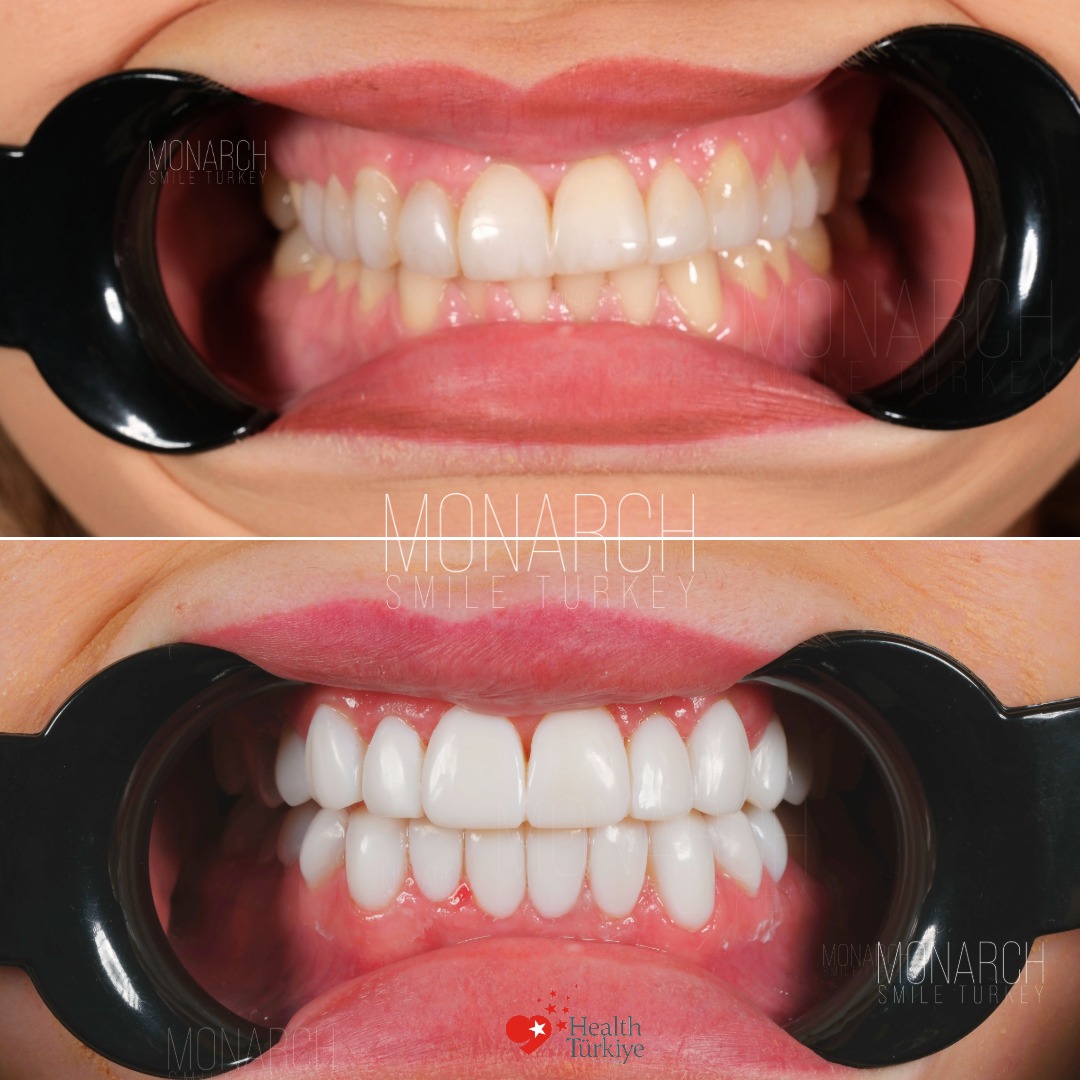
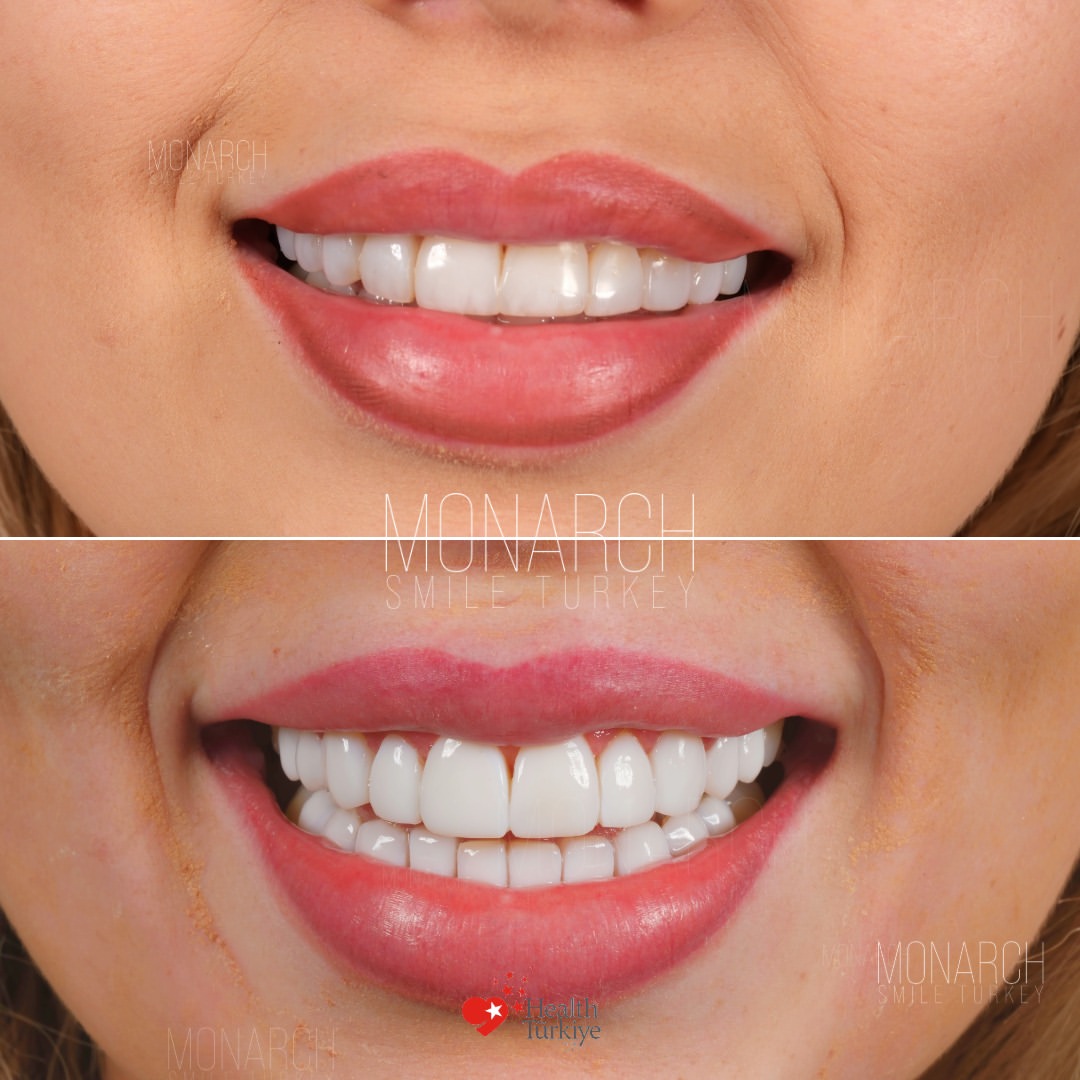
A fresh start, a brand new smile.
Our patient previously had composite bonding on her 10 upper teeth. We carefully removed the old composite and created a completely new smile with 20 composite bondings, 10 upper and 10 lower teeth.
Treatment Details:
- Removal of 10 old upper composites
- 10 upper + 10 lower composite bondings
- Shade: BL1
- Style: Softened
- Custom night guard provided
- Completed in just ONE session!
20 teeth. One new smile. A reaction that says more than we ever could.
Hear her experience in her own words.
Does Composite Bonding Weaken Your Teeth Over Time?
Additive bonding generally preserves tooth structure, but long-term tooth health depends on the condition of the tooth, any preparation, your bite and maintenance. The resin can wear or chip, and the underlying tooth still needs protection from decay.
How long bonding lasts depends on several things (you can read more in our article on how long composite bonding lasts):
- Your bite. If your upper and lower front teeth meet edge to edge, or if you have a deep bite, the bonded edges take more pressure.
- Teeth grinding. People who clench or grind, especially at night, put heavy force on composite. A custom night guard can make a big difference here.
- Diet and drinks. Coffee, tea, red wine and smoking can stain composite over time. Unlike natural teeth, composite does not respond to whitening, so stains usually need polishing or a refresh. Find out more in our guide on whether you can whiten composite bonding.
- Oral hygiene and check-ups. Regular polishing and small touch-ups keep bonding looking fresh and help it last longer.
When something does go wrong, it is usually easy to fix. A small chip can often be repaired in a single appointment without replacing the whole restoration.
How to Protect Your Teeth After Composite Bonding
A few simple habits will help you get the most out of your treatment:
- Brush gently twice a day with a soft toothbrush and a non-abrasive fluoride toothpaste.
- Clean between your teeth every day with floss or interdental brushes.
- Avoid biting directly into very hard foods such as ice, hard sweets or bones with your front teeth.
- Stop nail biting, chewing pens and opening packets with your teeth.
- Wear a night guard if you grind or clench.
- Cut back on strongly coloured drinks, or rinse with water after having them.
- Do not smoke, as it stains composite and affects gum health.
- Visit your dentist for regular check-ups and professional polishing.
If you are planning to whiten your teeth, do it before bonding. The composite shade is matched to your teeth at the time of treatment and will not change colour afterwards. Teeth whitening first, bonding second, is usually the right order.
Who Is Composite Bonding Not Right For?
Bonding is a great option for small chips, gaps, uneven edges, mild discolouration and minor shape problems. It may not be the best choice if you have:
- Untreated tooth decay or gum disease
- Heavily worn, broken or weakened teeth
- Severe grinding that has not been managed
- Very dark discolouration that composite cannot cover well
- Major crowding or bite problems that need orthodontic treatment first
In these situations, your dentist may suggest treating the underlying issue first, or recommend a different option such as veneers, crowns or aligners. A proper consultation is the best way to find out what suits your teeth. Our guide Am I suitable for composite bonding? explains what your dentist checks.
Why Planning Matters: Composite Bonding in Antalya, Turkey
Most of the risks linked to composite bonding come down to planning and technique. A careful dentist will check your bite, your gums and your habits before deciding whether bonding is right for you, and will keep tooth preparation to an absolute minimum.
At Monarch Smile Turkey in Antalya, every bonding treatment starts with a full examination and a clear conversation about what you want to achieve. We explain what can and cannot be done with composite, how long you can expect it to last and how to look after it once you are back home. Our aim is simple: a smile that looks natural and a set of teeth that stay healthy underneath.
Frequently Asked Questions
Is Composite Bonding Bad for Your Teeth?
Composite bonding can be a conservative option for suitable teeth, but it is not risk-free. The risks depend on tooth health, any preparation needed, your bite and ongoing care.
Does Composite Bonding Ruin Your Enamel?
Bonding usually requires little or no enamel removal, but etching changes the enamel surface. Any reshaping and the risks of later removal should be discussed before treatment.
Does Composite Bonding Hurt?
Most patients feel little or no discomfort. Because the tooth is rarely drilled, an anaesthetic is often not needed.
Can You Go Back to Your Natural Teeth After Bonding?
This depends on how the teeth were prepared. A dentist can remove composite, but the original enamel surface cannot always be fully restored, and removal may cause some enamel loss.
Can Bonded Teeth Get Cavities?
Yes. Natural tooth tissue around or beneath bonding can develop decay. Brushing with fluoride toothpaste, cleaning between teeth, limiting sugary snacks and regular check-ups help reduce the risk.
What Damages Composite Bonding the Most?
Grinding, biting hard objects, nail biting and using your teeth as tools are the most common causes of chips. Coffee, tea, red wine and smoking are the main causes of staining.
Sources and Further Reading
- General Dental Council: Composite bonding risks, planning and consent
- National Institute of Dental and Craniofacial Research: Tooth decay and prevention
Final Thoughts
Composite bonding can be a conservative way to improve a suitable smile, and small chips can often be repaired. Its risks and reversibility depend on your teeth, any preparation and future removal. An individual assessment and ongoing care are essential. If you are also comparing prices, see how much composite bonding costs in Turkey.
If you are considering composite bonding in Antalya, Turkey, get in touch with Monarch Smile Turkey. Our team will look at your teeth, answer your questions honestly and help you decide whether bonding is the right choice for your smile - contact us for a free consultation.
By Dt. Ebru Yüceer · Updated