
Composite Bonding in Turkey, Antalya
Composite bonding? Yes, it’s that quick little touch-up that can make a big difference in your smile without drills, needles, or anything dramatic.
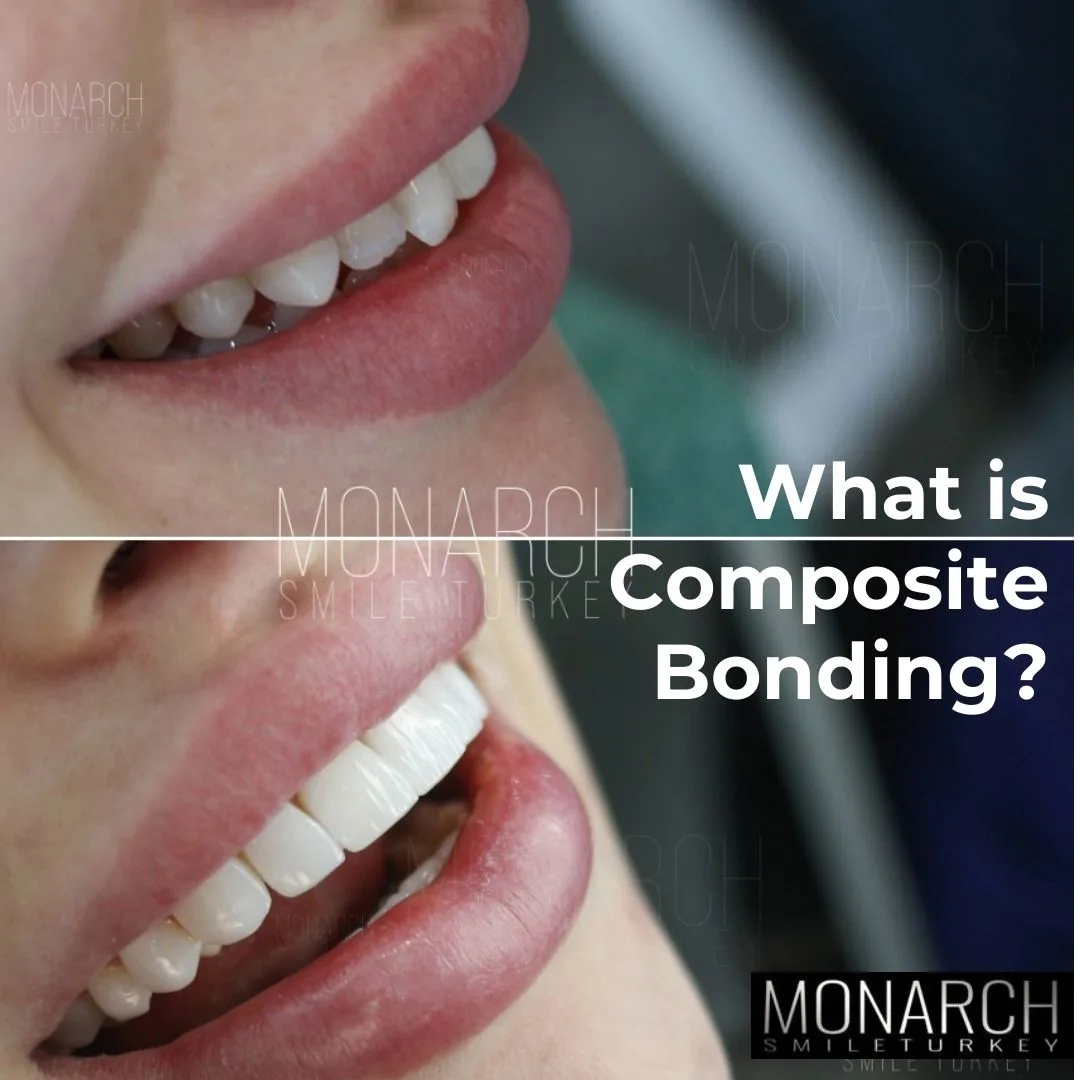
Millions of people are already choosing composite bonding over more invasive options. And with cosmetic dentistry growing like crazy (we’re talking a 13.5% annual jump from 2023 to 2030 according to CAGR), bonding has become one of the go-to treatments. It’s simple, painless, and perfect for fixing small chips, gaps, or stains that bug you when you look in the mirror.
There aren’t global numbers just for bonding, but we know it’s a big part of why cosmetic dental clinics are busier than ever. It’s one of those fixes that’s small on effort, big on results.
What is composite bonding?
Composite bonding is a procedure, a painless way to fix small issues like chips, gaps, or discolouration with your teeth.
We use a tooth-coloured resin and shape it right on the tooth. Then we harden it with a special light so it sticks and stays in place.
How does composite bonding work?
We start by cleaning the tooth and slightly roughening the surface. This helps the material stick better. Then we apply a tooth-colored resin, shape it carefully to match your tooth, and harden it with a special light.
Once it sets, we polish it so it looks smooth and blends right in. It’s quick, painless, and usually done in one visit.
Why is composite bonding necessary?
Because sometimes a little fix is all you need.
If there’s a small chip, a crack or a tiny gap, we don't use big porcelain veneers. Bonding lets us fix your teeth fast, without cutting the tooth or doing anything too invasive.
Who is a good candidate for composite bonding?
If your teeth are generally healthy but you’ve got a little chip, a crack, some teeth discolouration that just won’t go away or a small gap between your teeth, this procedure is suitable for you.
Your bite should be normal too. If you grind your teeth a lot, first, you should treat the teeth grinding.
So, if your tooth issue is small but it bothers you when you smile in the mirror, you’re probably a good fit. We always check everything first, of course, but in a lot of cases, bonding does the trick.
Is bonding suitable for damaged & discoloured teeth?
Yes, if your tooth damage is minor and the tooth discolouration is on the surface.
Bonding works well for small chips, cracks or stained teeth on the outside. But if the tooth is deeply damaged or the discolouration comes from inside, bonding usually is not enough.
In that case, we usually perform veneers or crowns. First step? We check your teeth and decide what’s really best for you.
The Pros and Cons of Composite Bonding
|
Pros |
Cons |
|
Quick and usually done in one visit |
Not as strong as veneers or crowns |
|
No drilling or damage to natural tooth |
Can stain over time (like natural teeth) |
|
Painless, no needles in most cases |
Not ideal for big cracks or deep damage |
|
More affordable than veneers or crowns |
May chip or wear faster, especially if you grind your teeth |
|
Easy to repair if it gets damaged |
Doesn’t last as long, usually 5 to 7 years |
What is the recovery time of composite bonding?
You don't need recovery time. You can eat and talk right after the procedure.
But I usually tell my patients to go easy for the first 24 hours (nothing too hard or sticky) just to let the bonding settle in.
If we worked close to the gum, little sensitivity is possible for a day or two, but this goes away in a short time.
Composite bonding aftercare
First off, bonding doesn’t need a long healing period, but how you treat it in the first few days really matters. I always tell patients: avoid biting directly into hard foods at first. Apples, nuts, and crusty bread – try to cut them up instead of using your front teeth. Bonding is strong, but you should care.
Next, watch out for staining. The resin we use can absorb colour over time, especially in the first 48 hours. So, it’s best to stay away from coffee, tea, red wine, and tobacco right after the procedure. If you do have them later, rinse your mouth or brush soon after.
Now, cleaning. Brush twice a day, just like you always should, and don’t skip flossing. Be gentle around the bonded area, but don’t avoid it. Keeping your gums and teeth clean helps the bonding last longer.
One more thing, don’t use your teeth as tools. No tearing tape or opening packages, please. It puts pressure in all the wrong places and can chip the bonding.
And of course, keep up with your regular check-ups. If the bonding wears down or gets chipped, we can usually fix it easily, as long as we catch it early.
So, nothing complicated. Just treat your bonded teeth with care, like you would with the rest of your smile.
Can bonding keep my tooth structure intact?
Yes, it does.
Bonding doesn’t require drilling away healthy tooth.
How long does composite bonding last?
It usually lasts 5 to 7 years. But you can use it longer with good care.
Avoiding hard foods, brushing well and showing up for regular check-ups will help it last even longer.
Is composite bonding painful?
No, it’s not.
Most of the time, we don't perform drilling or use needles, so it's completely painless.
The only time you might feel slight sensitivity is if we’re working close to the gum or on an area with existing enamel wear. But even then, it’s very mild and temporary.
Is composite bonding permanent?
No, it’s not.
It usually lasts several years. Bonding can wear down, stain or chip over time, especially if you grind your teeth or bite hard things.
Is composite bonding reversible?
Yes, it is.
Because we don’t remove any natural tooth structure, the bonding can be taken off or replaced without damaging the tooth underneath.
Is composite bonding safe?
Yes, it’s totally safe.
We’re not removing any healthy tooth structure. The material we use bonds well with enamel, and it’s been used for years with great results.
Of course, you still want someone skilled to do it. It’s a simple treatment, but it still needs a good hand and a careful eye.
Can I get bonding after orthodontic treatment?
Yes, you can do Invisalign or others.
In fact, it’s pretty common, especially if there are small gaps, uneven edges, or minor shape issues after braces.
Can composite bonding be removed?
Yes, it can.
The material sits on the surface of your tooth. So, we can gently remove it without harming the natural tooth underneath. Whether you want a touch-up, a full redo, or to switch to another treatment like veneers, bonding can be safely taken off when needed.
Where can I get composite bonding in Turkey, Antalya?
If you’re thinking about composite bonding in Antalya, Monarchsmile Dental Clinic is one of the first places I’d mention.
They do this treatment a lot. They’re genuinely experienced. Their dentists have years of hands-on work behind them, and they treat patients from all over the world, so you’re in good company.
The clinic itself is super modern, clean, and fully equipped, using up-to-date tech and materials. And communication? Easy. They speak fluent English, and they’re used to working with international patients, so you won’t be lost trying to explain what you need.
And, you're in Antalya. So, while you’re getting your smile fixed, you’re also by the beach, in the sun, with some of the best holiday vibes you can imagine. Smile upgrade and vacation in one go. Not bad, right?
Contact Monarchsmile Antalya for detailed information
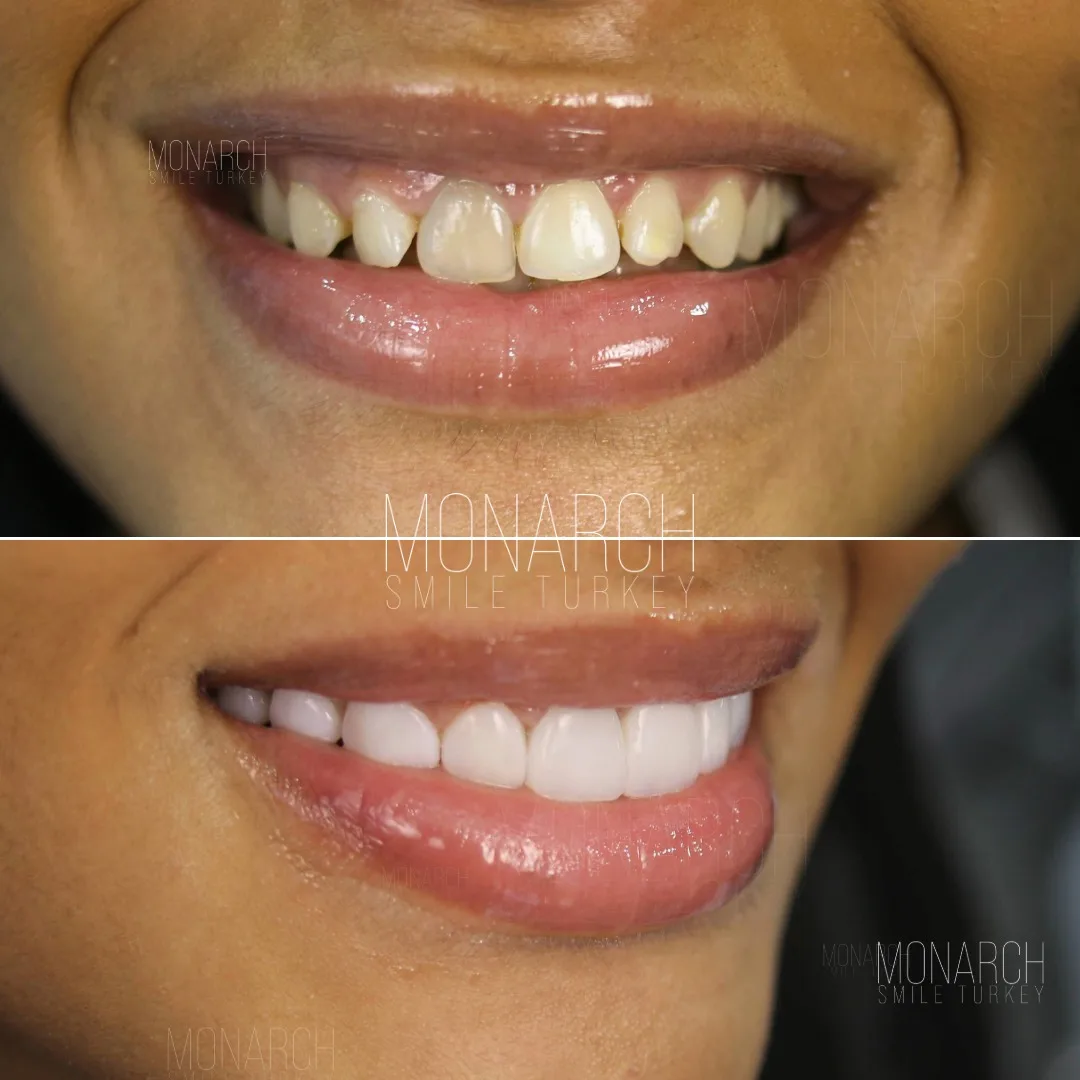
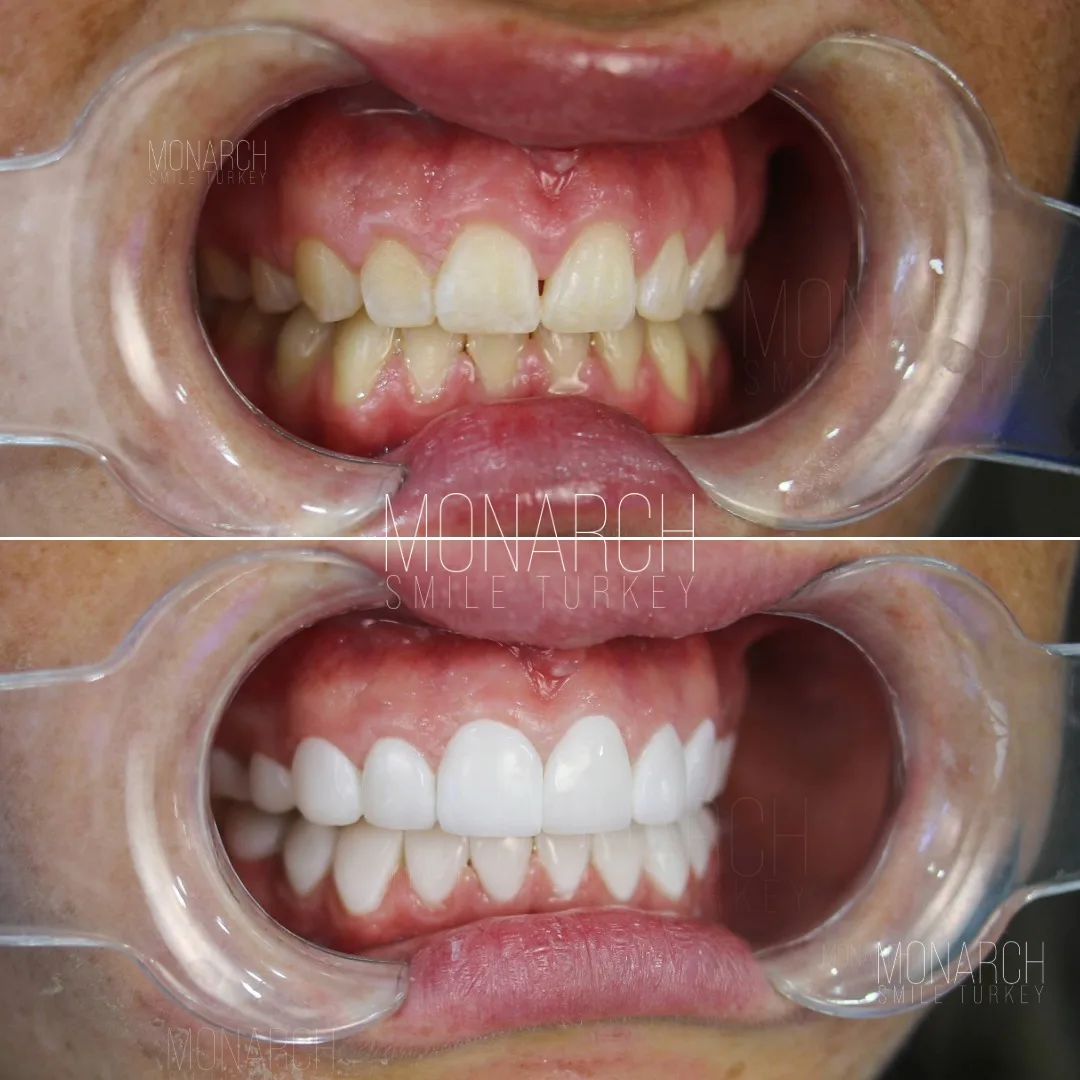
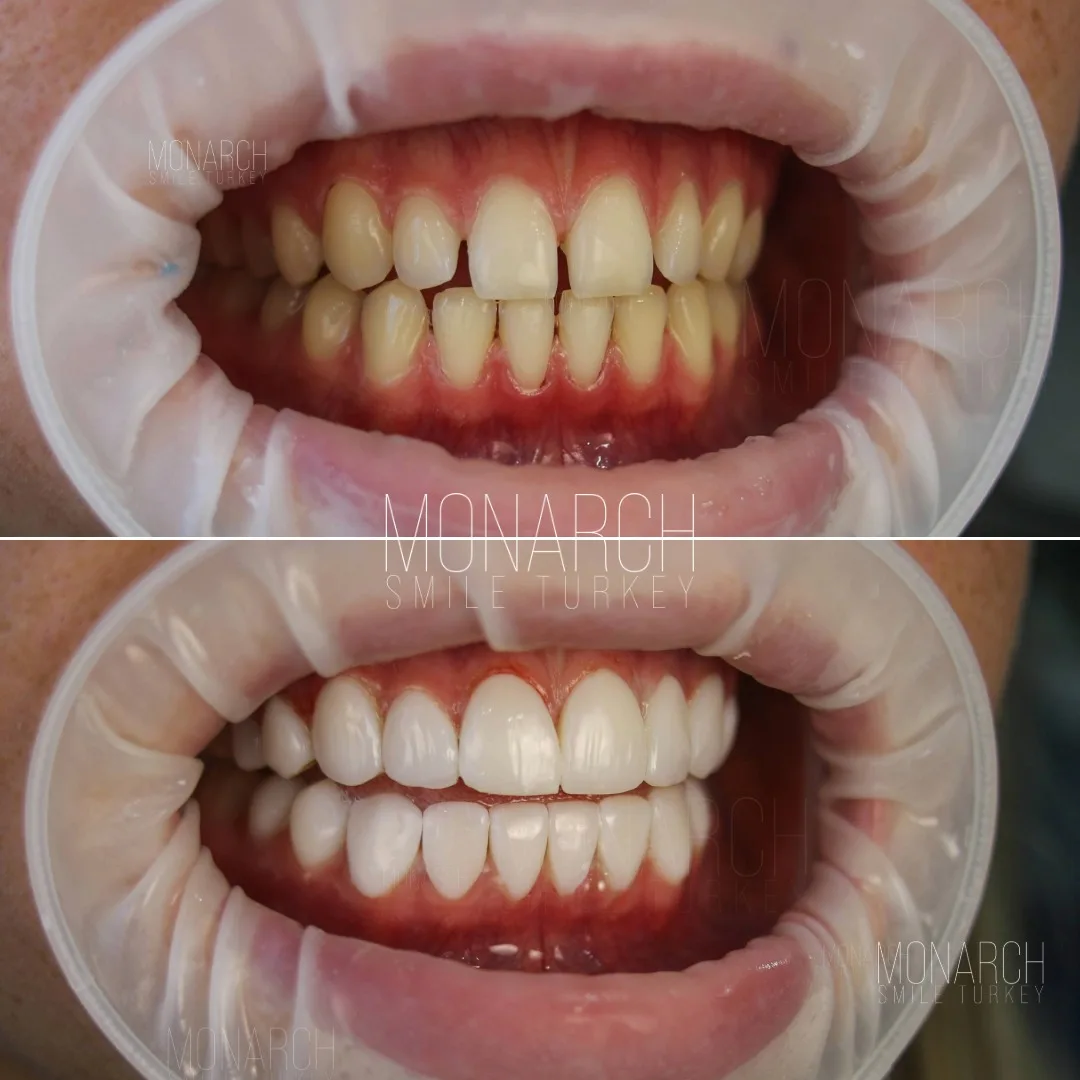
Composite Bonding Before and After in Turkey, Antalya
To see more, please click here!
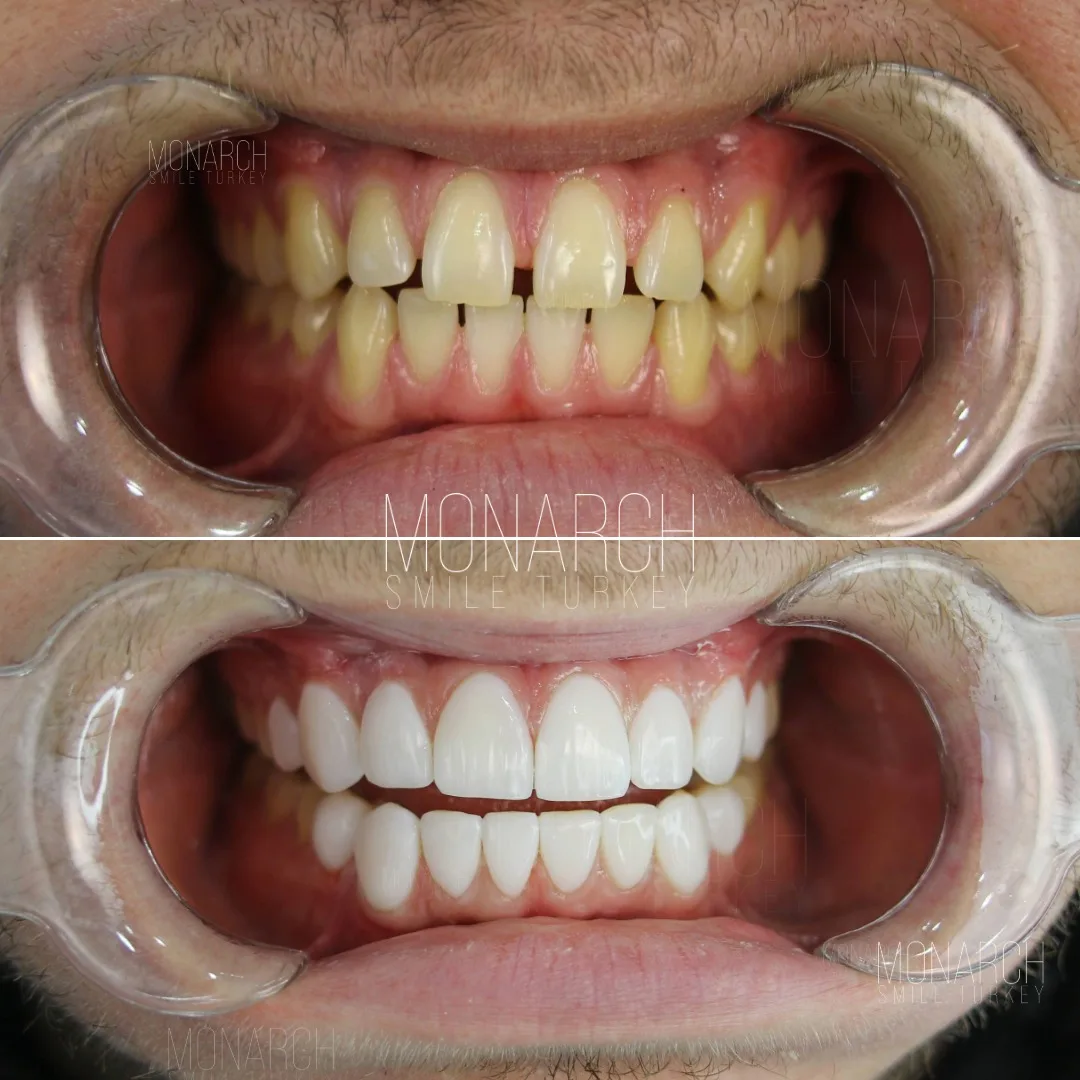
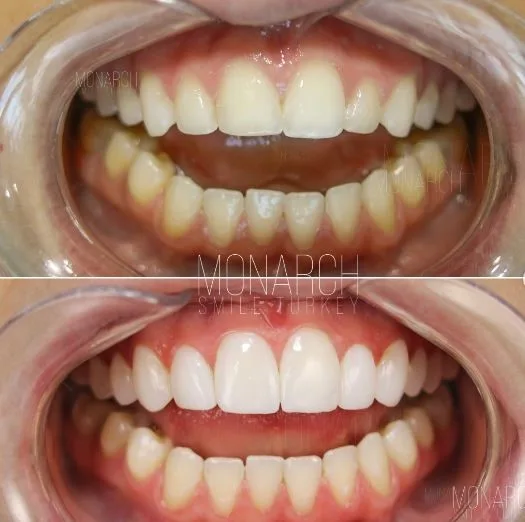
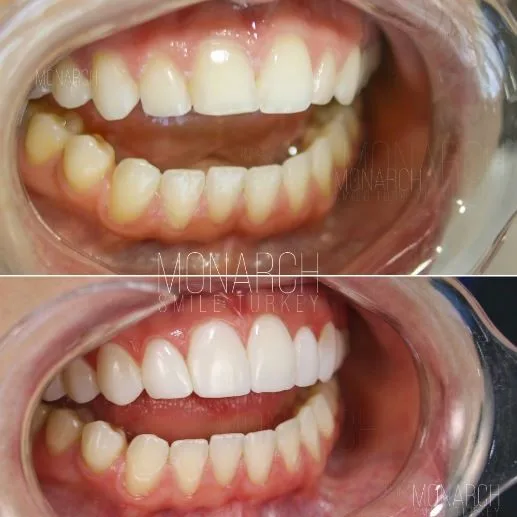
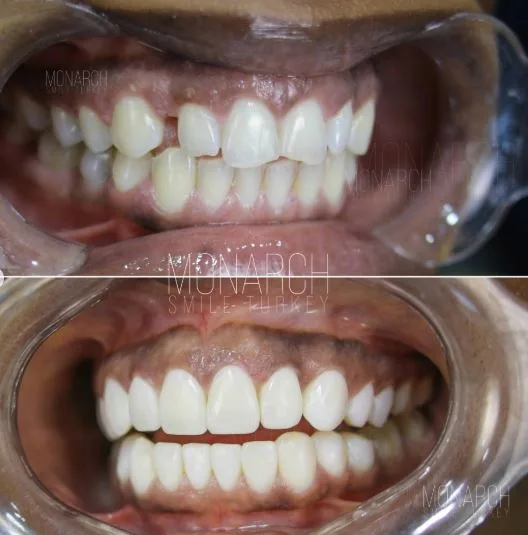
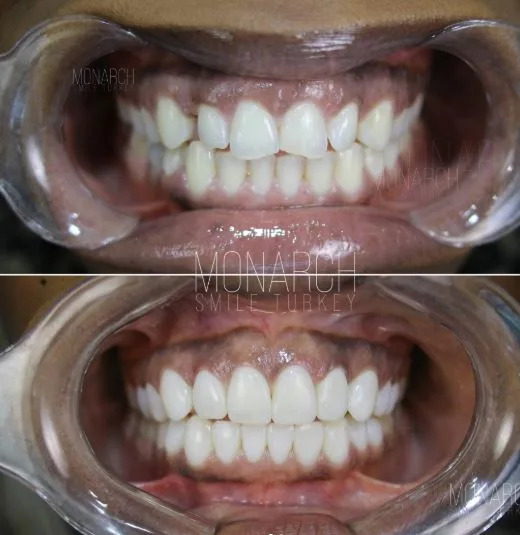
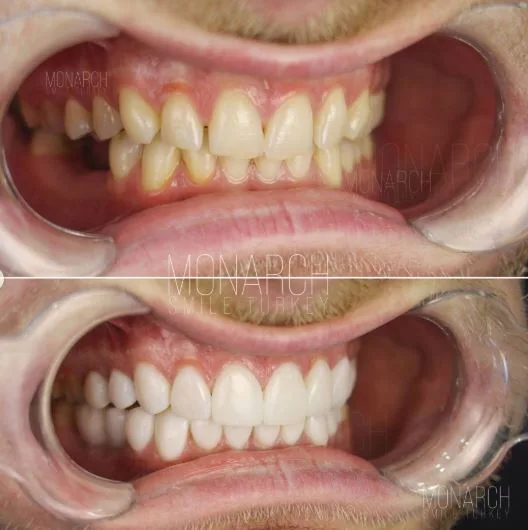
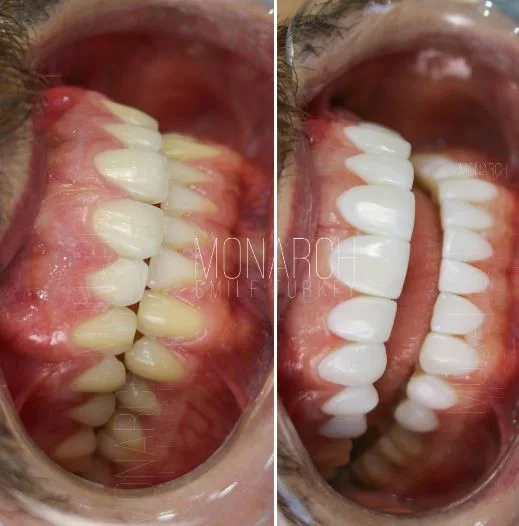
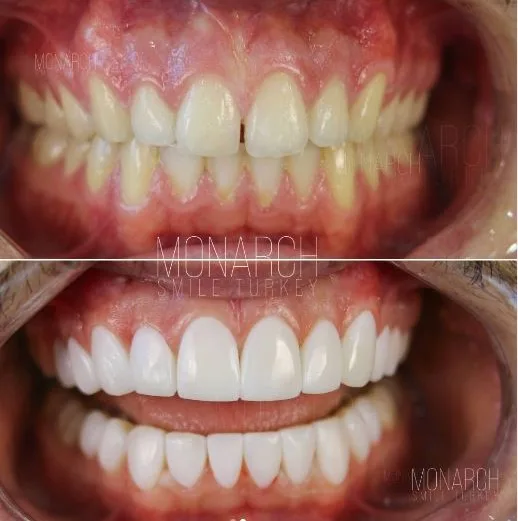
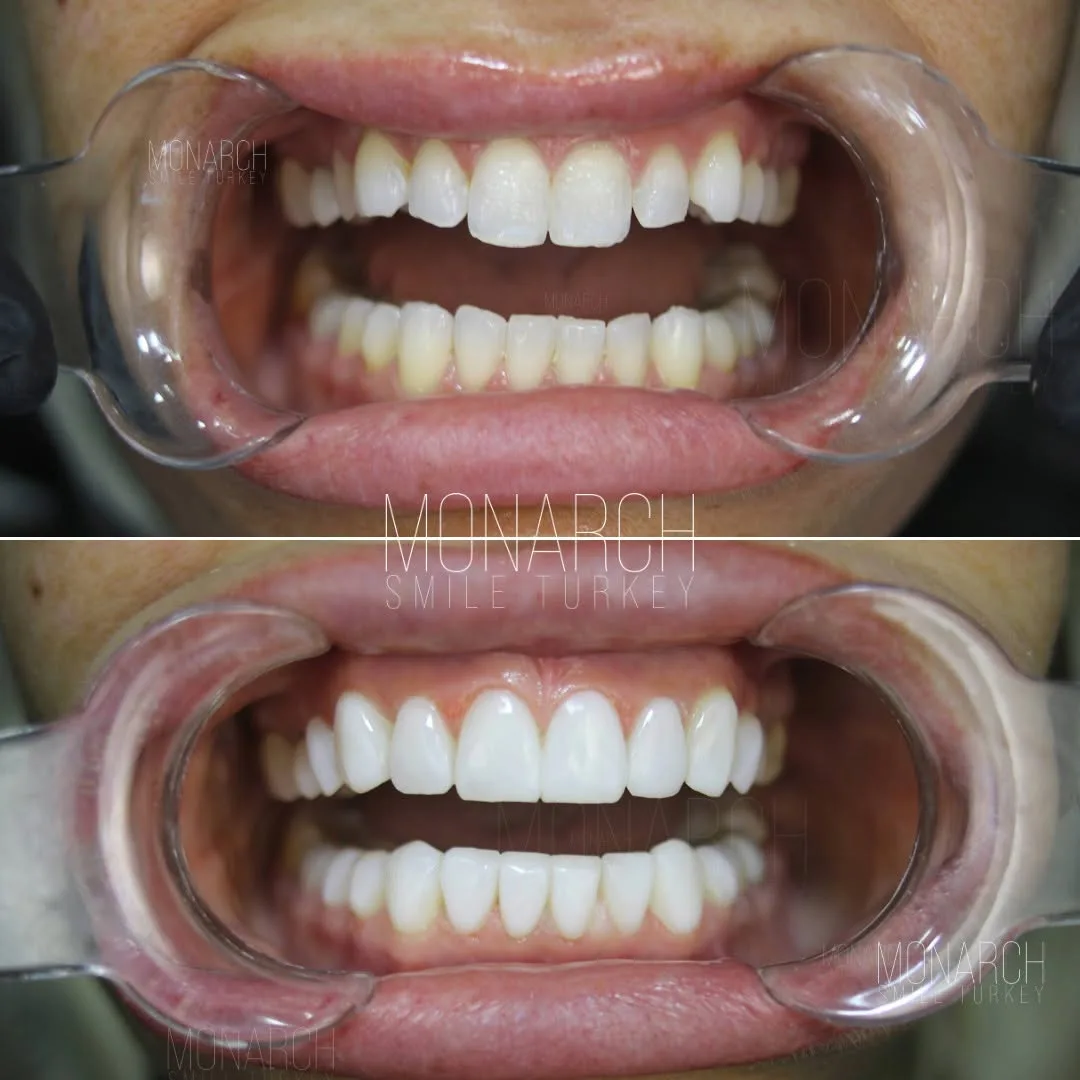
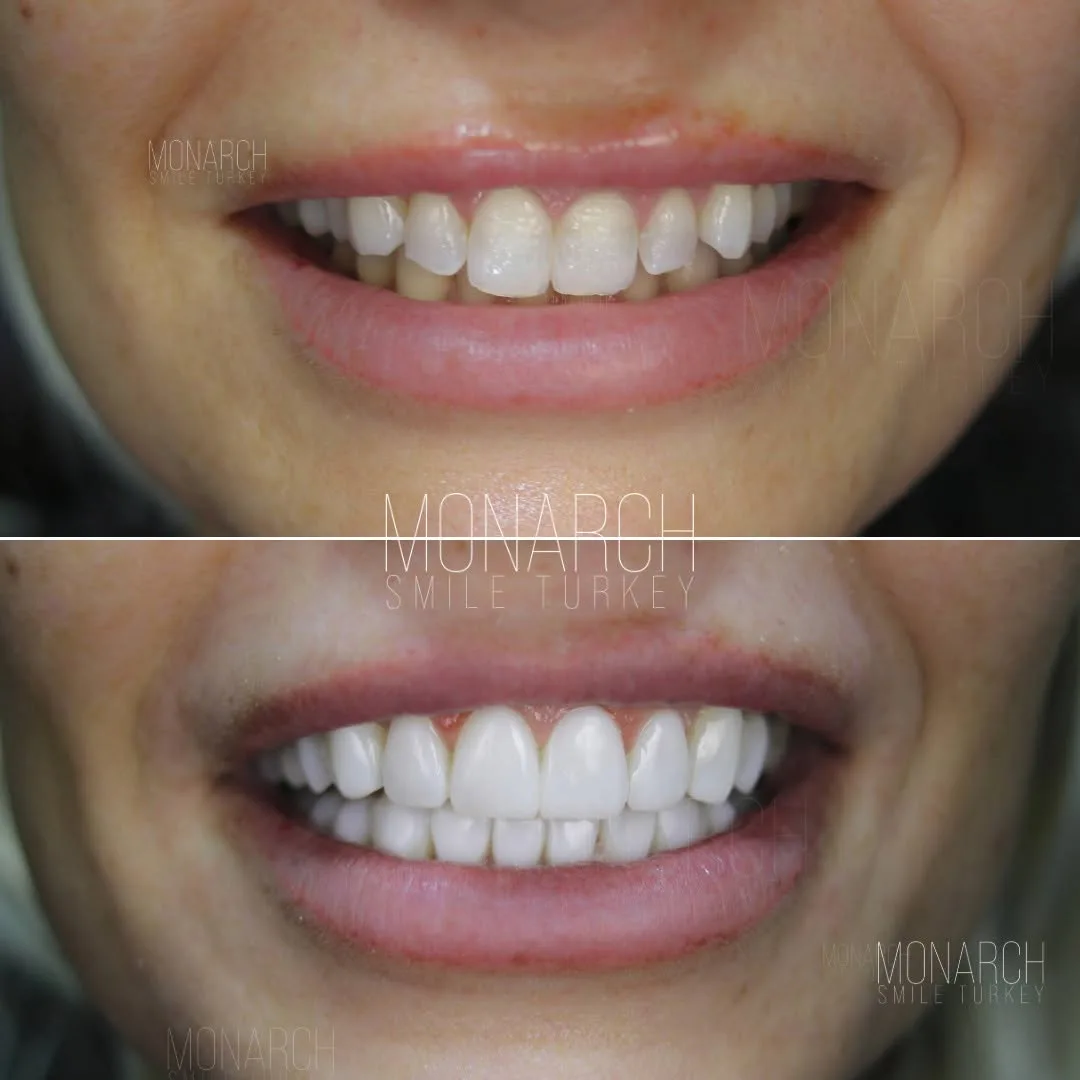
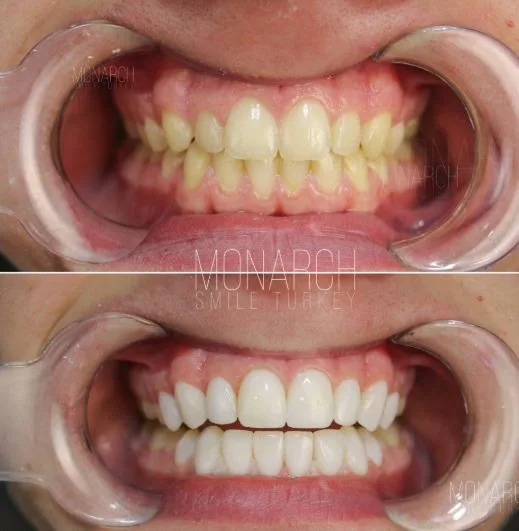
Composite Bonding Testimonial in Turkey, Antalya
Frequently Asked Questions
Can you whiten composite bonding?
No, you can’t.
Whitening products only work on natural teeth, not on bonding material. So, if the bonding is stained, it has to be polished or replaced.
Can I have Invisalign treatment if I have had composite bonding?
Yes, you can.
But your dentist or orthodontist will check if any adjustments are needed before starting Invisalign.
For more detailed information, please contact us or visit us at our dental clinic.