
You may be a good candidate for composite bonding if your teeth and gums are healthy and you want to improve a small chip, gap or uneven edge. Your bite matters too, along with any existing fillings or signs of grinding. Photos can help start the conversation, but your dentist needs to examine your teeth before confirming that bonding is right for you.
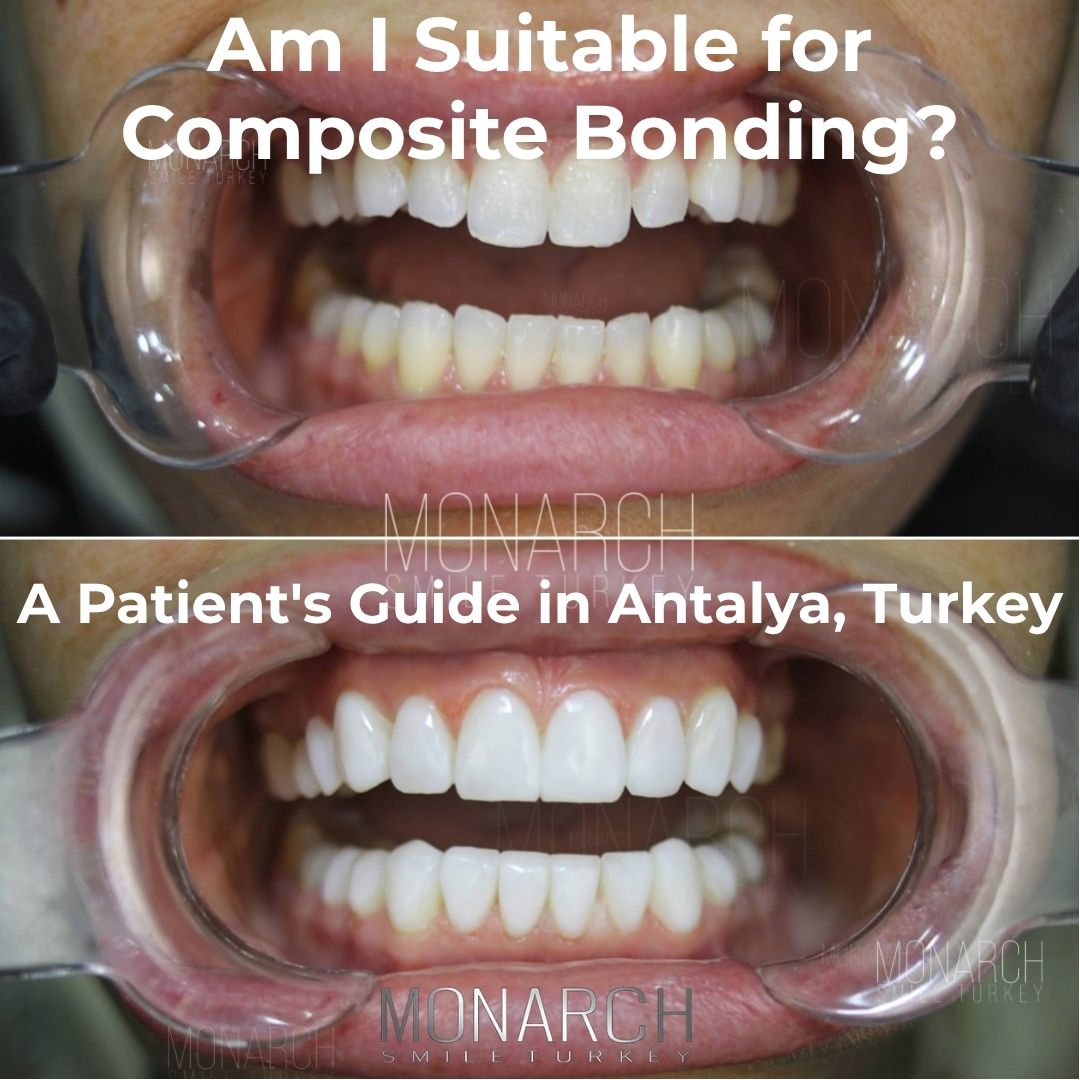
Perhaps there's one tooth you notice in every photo, or a small gap you've wanted to close for years. Knowing what you want to change is a useful starting point. The next step is finding out whether bonding can make that change comfortably and predictably. Here's what we look at during a consultation at Monarch Smile Turkey in Antalya.
Who Is a Good Candidate for Composite Bonding?
In general, the patients who get the best results from bonding have healthy teeth and gums, a stable bite, and a cosmetic concern that is relatively small. Bonding adds tooth-coloured resin to the surface of the tooth, so it works best when the goal is to add, reshape, or cover - not to rebuild a tooth from scratch or move it into a new position.
Small Chips and Minor Tooth Damage
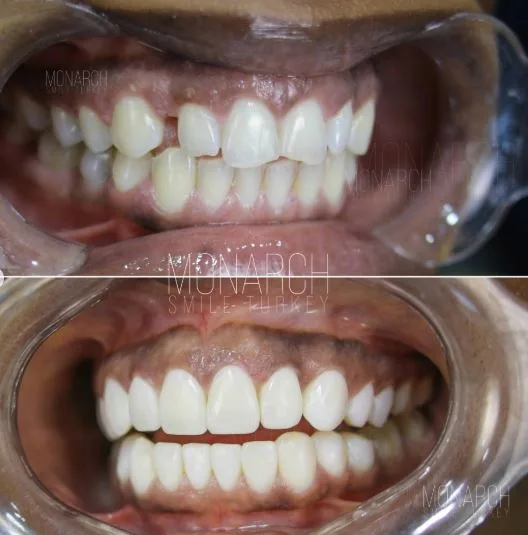
A chipped corner on a front tooth can usually be rebuilt in a single visit, with the composite layered and shaped until it matches the rest of the tooth. Because little or no enamel needs to be removed, the tooth underneath stays largely intact. Larger fractures, especially ones that reach close to the nerve, are a different matter and may need a crown or other restoration instead.
Small Gaps Between Teeth
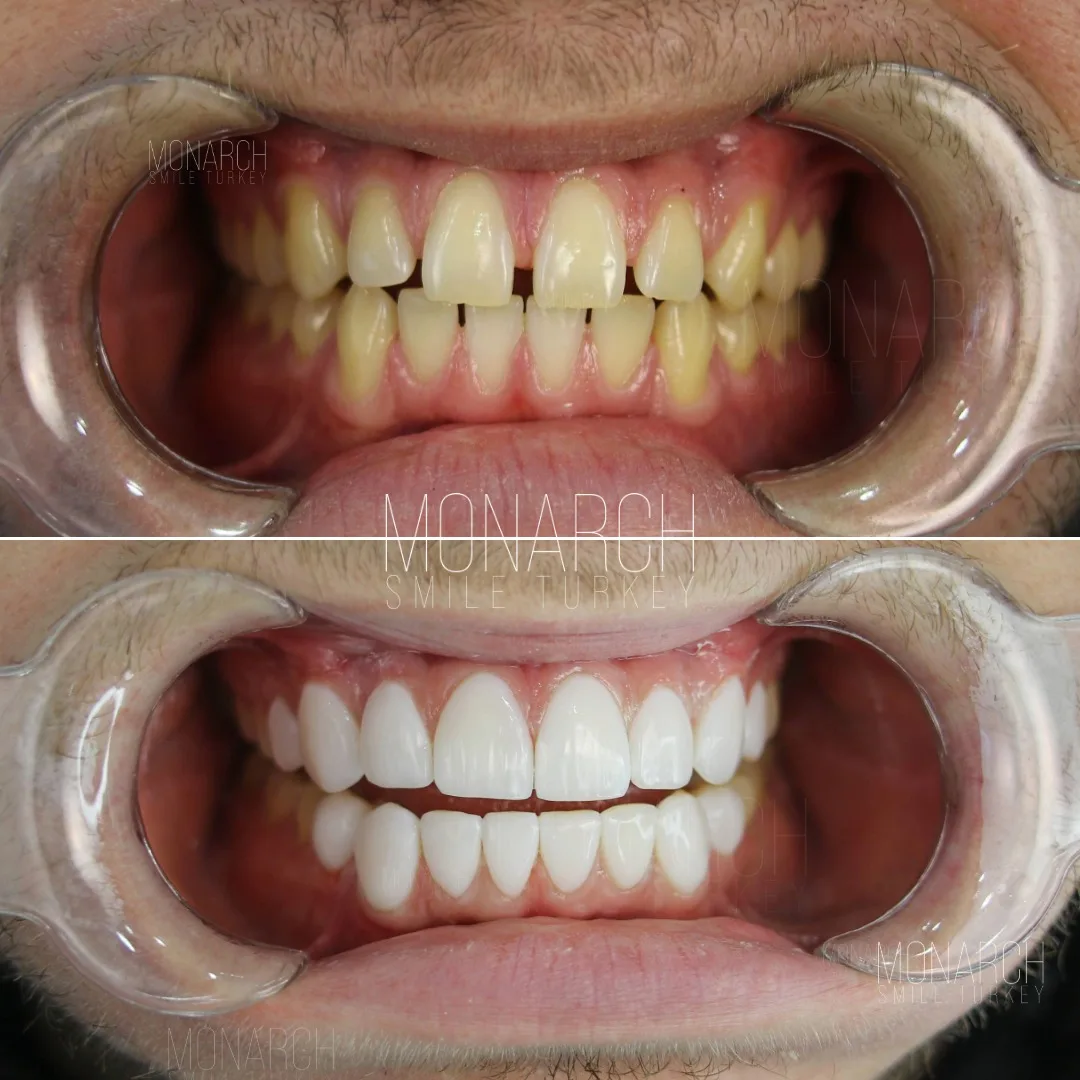
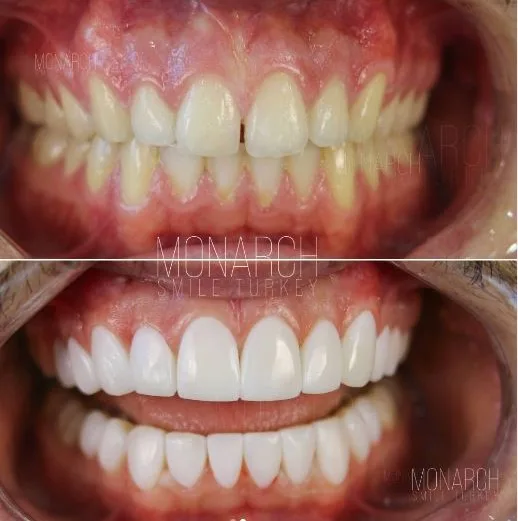
Small gaps, including a gap between the two front teeth, can often be closed by adding a little composite to the sides of the neighbouring teeth. The key word is small. If the gap is large, closing it with bonding alone can leave the teeth looking too wide, which is why wider spaces are sometimes better treated with orthodontics first, or with a combination of approaches.
Uneven Tooth Shapes and Edges
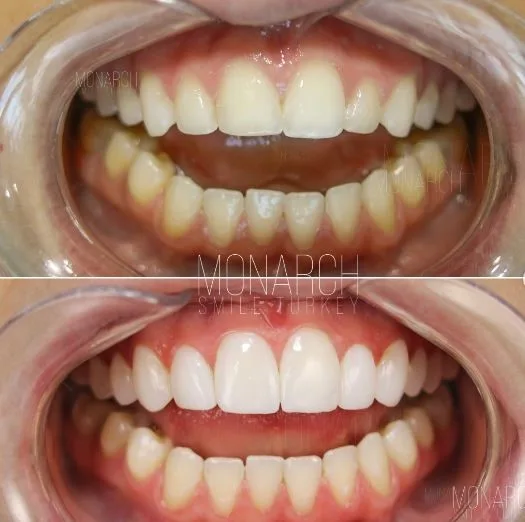
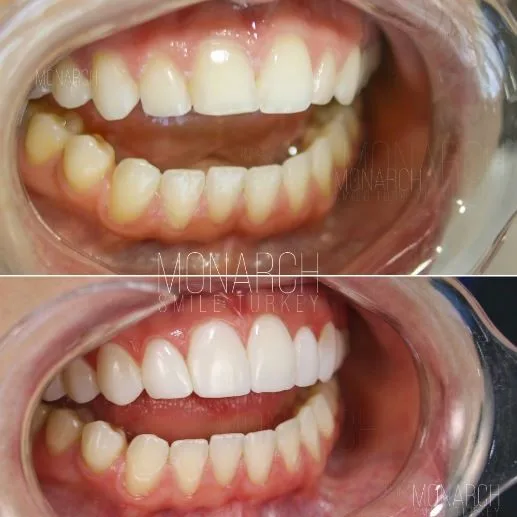
Bonding may suit teeth that are slightly short, pointed, worn at the edges, or just a bit out of proportion with their neighbours. Your dentist can lengthen, round off, or even out edges so the smile line looks more balanced. This kind of subtle reshaping is often what patients mean when they say they want their teeth to look "neater" rather than completely different.
Discolouration and Expectations for Shade Improvement
Bonding can cover localised stains, white spots, or a single tooth that has turned darker than the others. It's worth knowing, though, that composite is not a whitening treatment. The shade is chosen to match your teeth at the time of treatment, and the resin itself won't respond to bleaching later. If you'd like your whole smile to be brighter, teeth whitening usually needs to come first - we'll come back to that below.
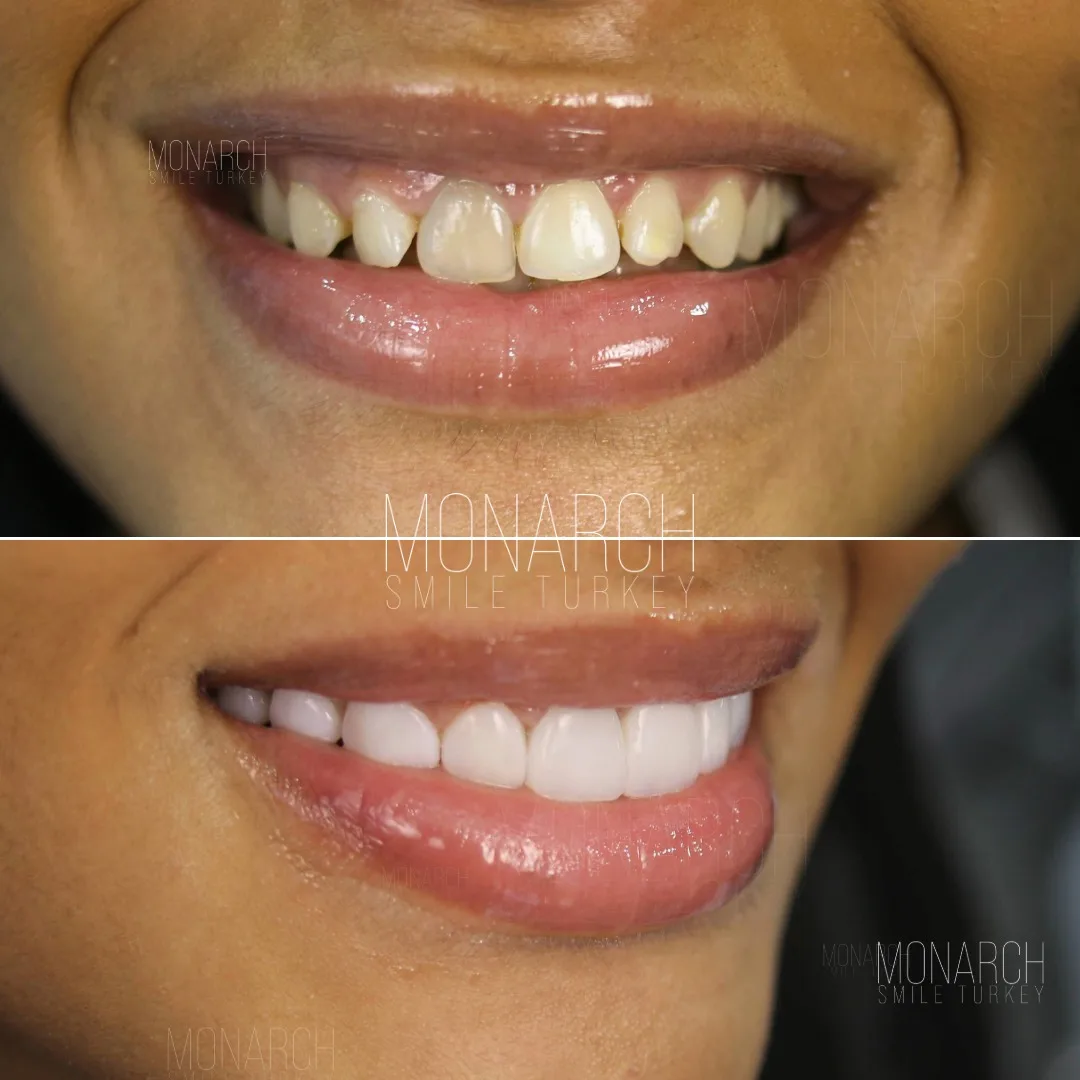
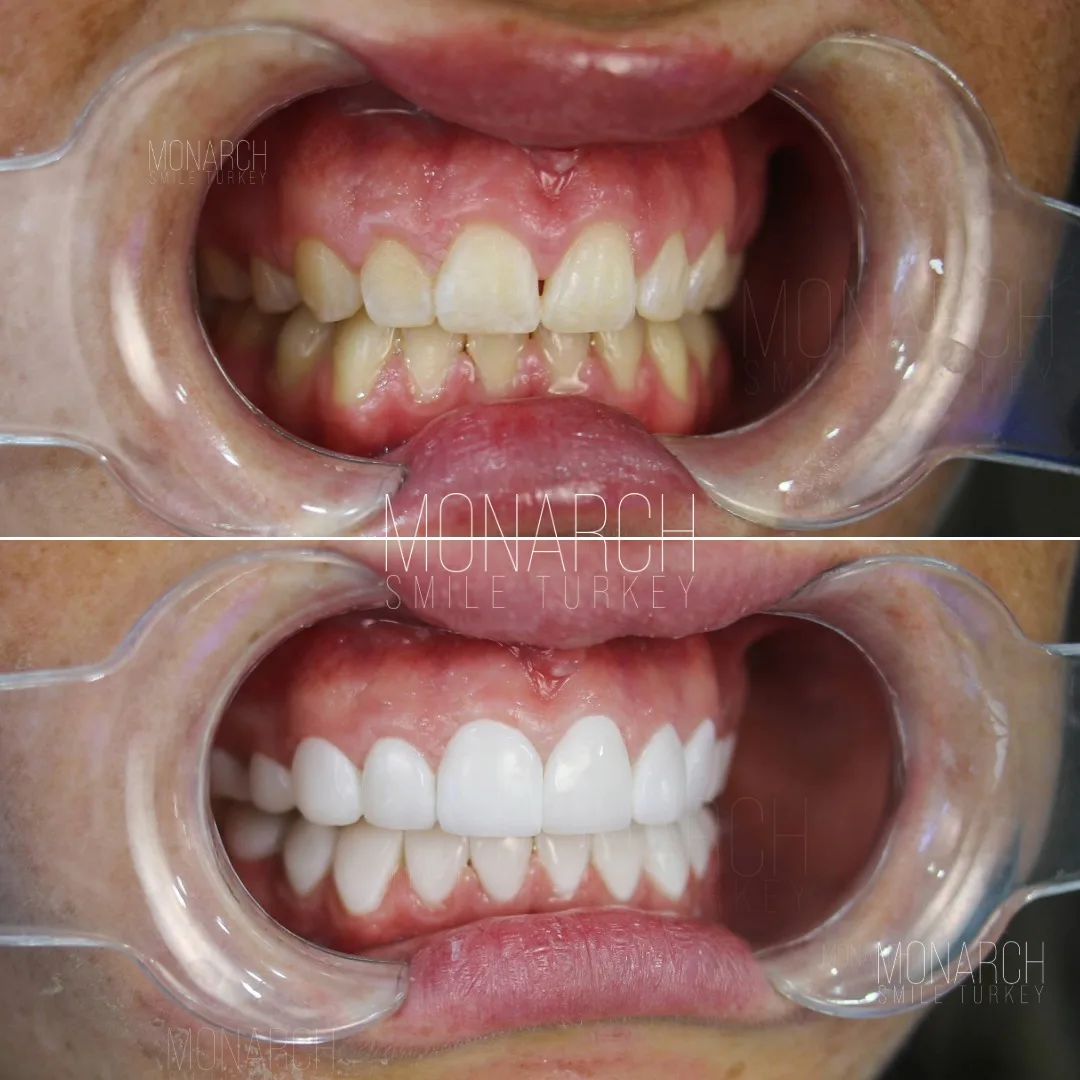
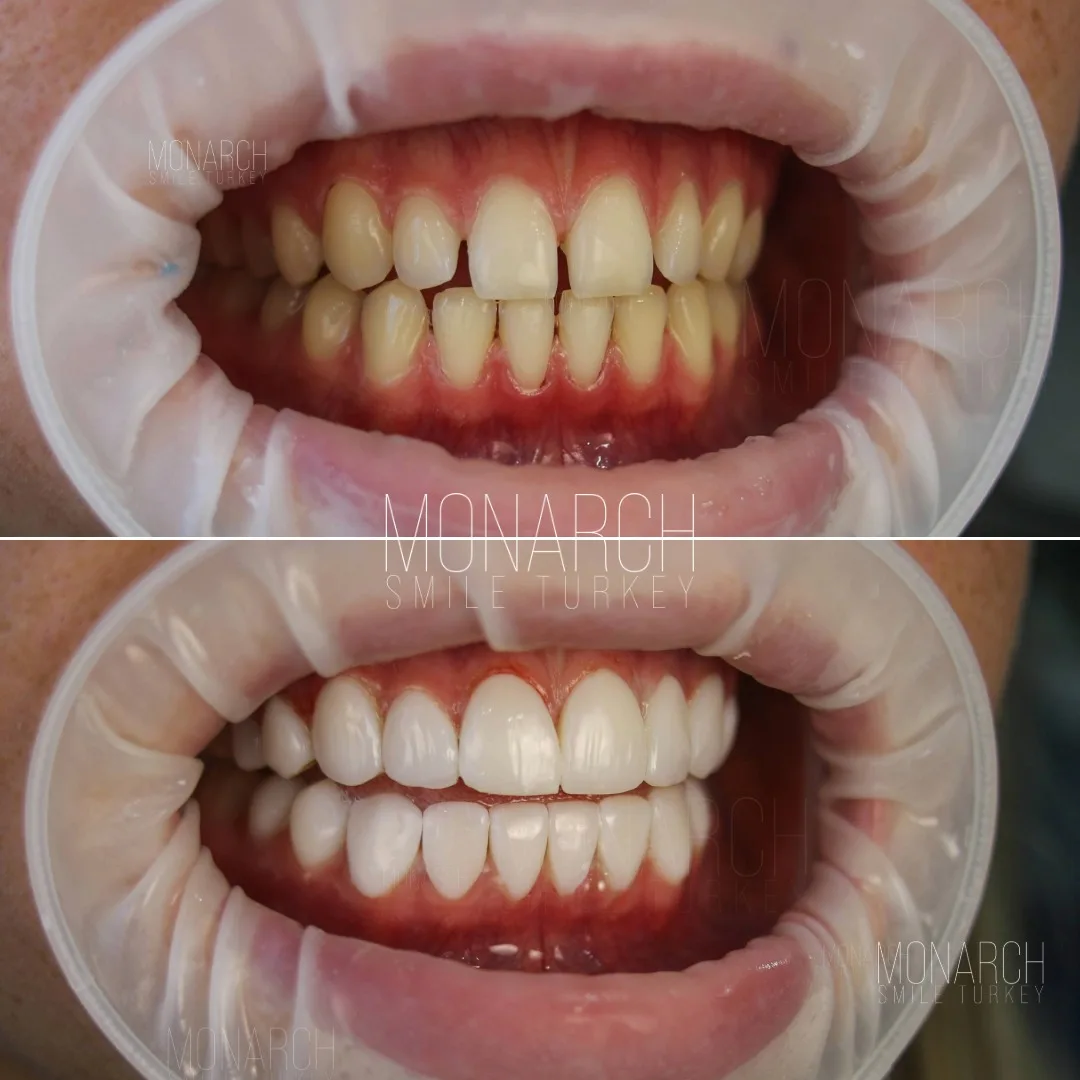
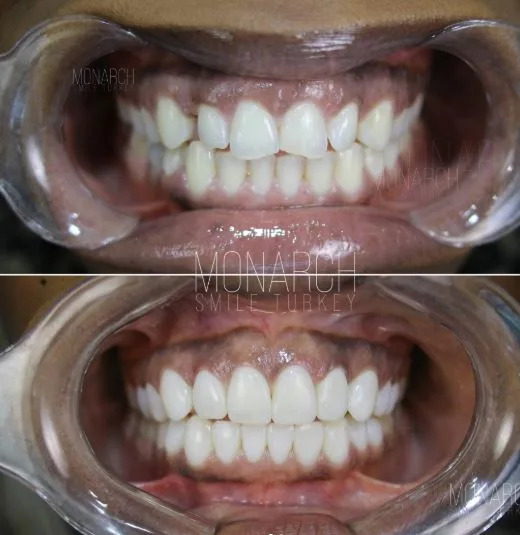
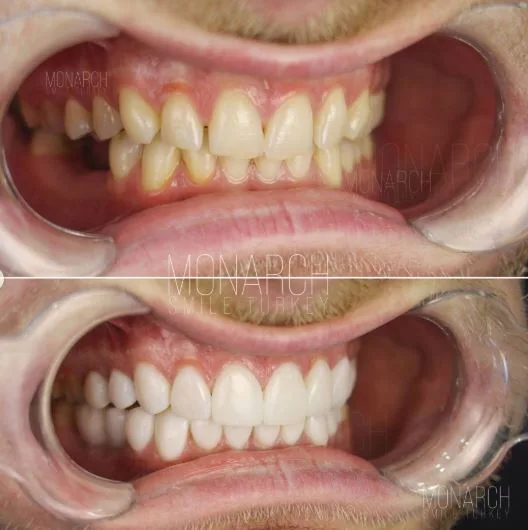
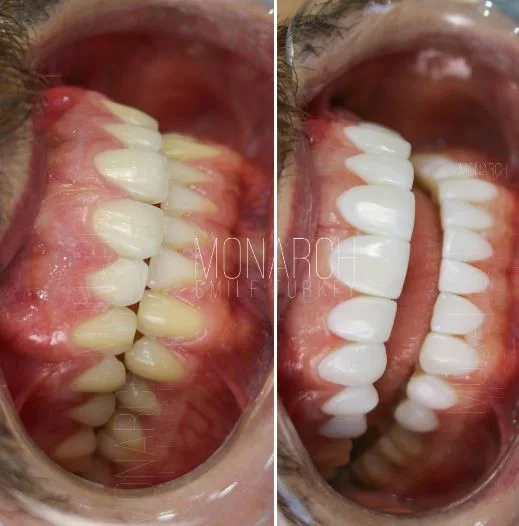
Composite Bonding Before and After in Antalya, Turkey
To see more, please click here!
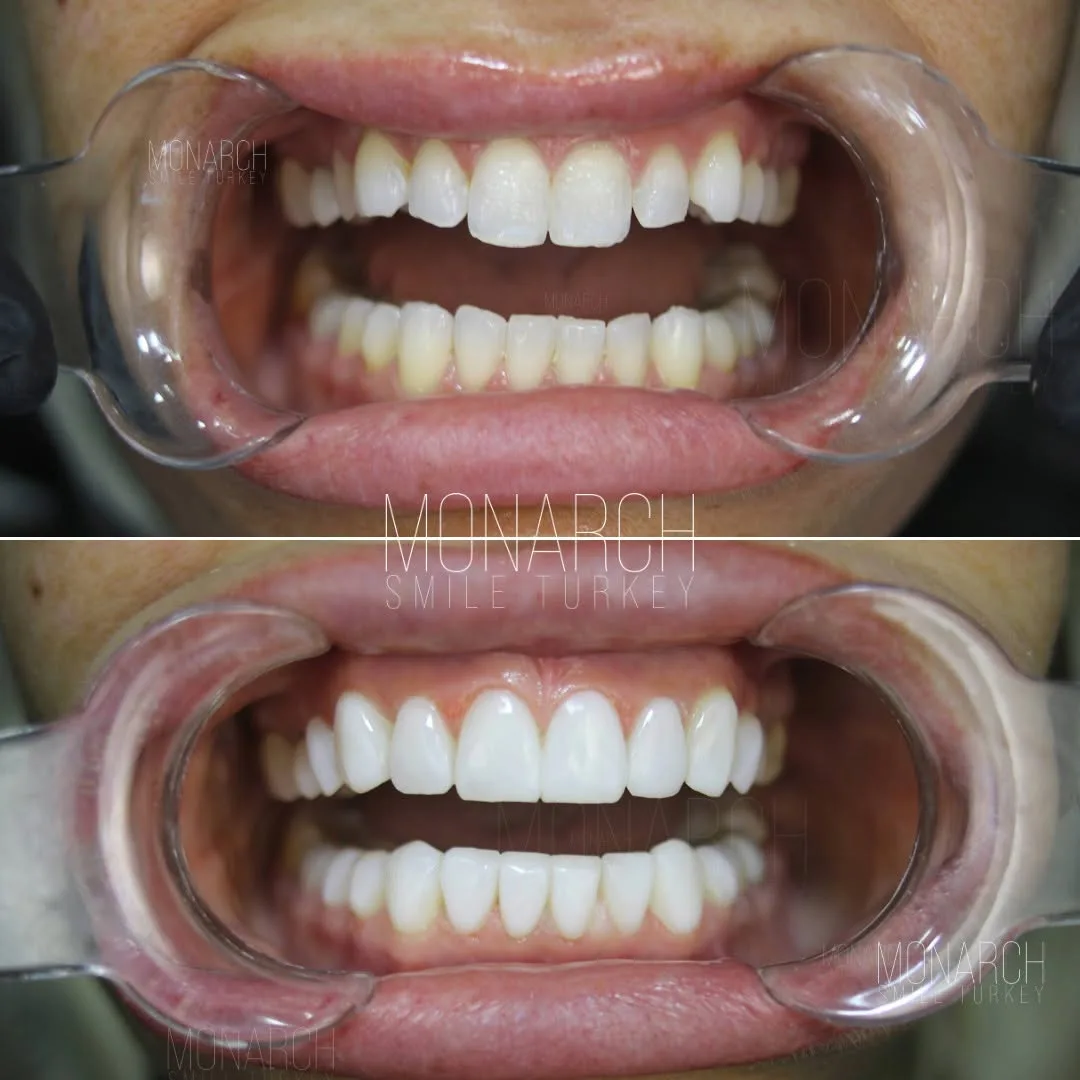
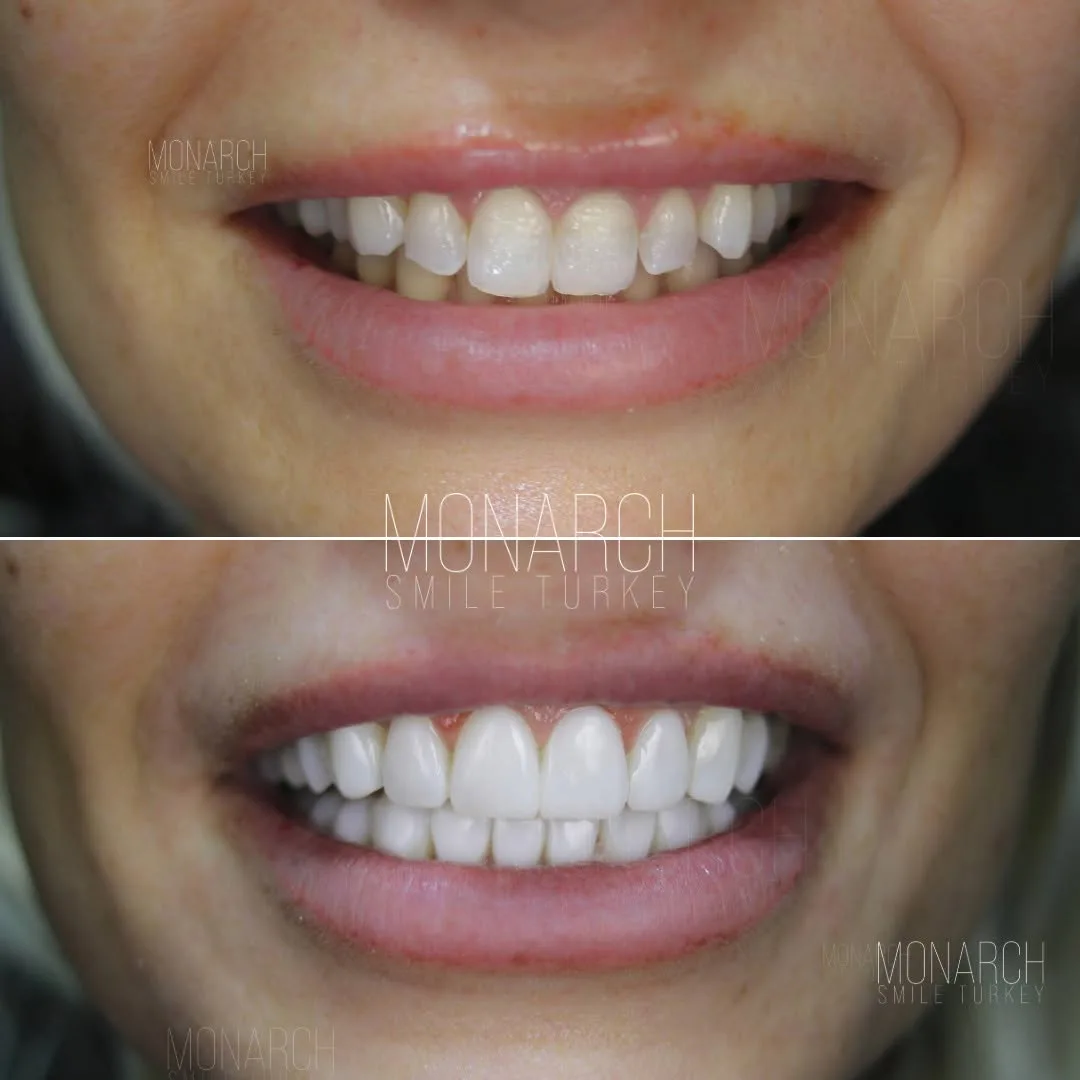
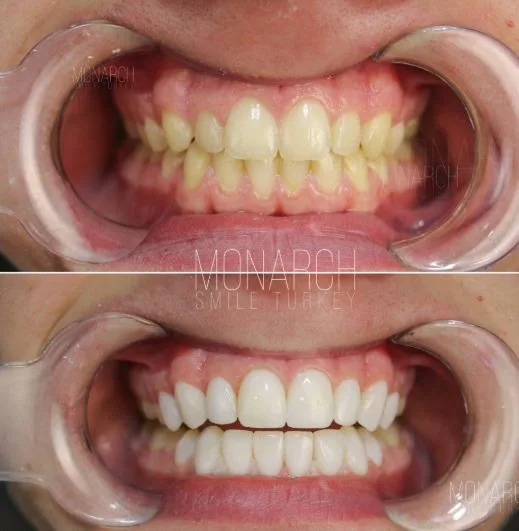
What Will Your Dentist Assess Before Composite Bonding?
A photo of your smile tells us what you'd like to change. An examination tells us whether it's safe and sensible to change it with bonding. These are the main things a dentist looks at before recommending treatment.
Tooth and Gum Health
Composite needs a healthy, clean surface to bond to. Any decay has to be treated first, and gums need to be healthy - inflamed or bleeding gums make it harder to keep the area dry during treatment and can affect how the edges of the bonding look over time. A professional clean before bonding is often a good idea anyway, since it also makes shade matching more accurate.
Your Bite and How Your Teeth Meet
If your lower teeth hit the back of your upper front teeth hard, or your front teeth take a lot of pressure when you bite, bonding on those edges is more likely to chip. Your dentist will check how your teeth come together, both when you close and when you move your jaw from side to side, and design the bonding around that.
Teeth Grinding and Clenching
Many people grind or clench without knowing it, often at night. Signs include flattened edges, small fractures, tight jaw muscles, and wear facets on the teeth. Grinding doesn't always rule bonding out, but it does change the plan. A night guard may be recommended to protect your new bonding, and in more severe cases a more durable restoration may be the better choice.
Available Enamel and Existing Restorations
Composite bonds best to enamel. If much of the enamel has been worn away by grinding, acid erosion, or previous treatment, the bond may be less predictable. Your dentist will also look at any existing fillings, crowns, or veneers nearby, since these can affect both how the composite bonds and how well the final colour matches.
When Might Composite Bonding Not Be the Best Option?
Being told bonding isn't right for you can be frustrating, especially if you've set your heart on it. But recommending it in the wrong situation usually leads to repairs, disappointment, or both. These are the most common reasons a dentist might suggest something else.
Untreated Tooth Decay or Gum Disease
Bonding over an active problem simply hides it. Decay underneath composite will keep progressing, and gum disease can lead to recession that exposes the edges of the bonding. These issues need to be treated and stable before any cosmetic work begins.
Significant Crowding or Bite Problems
Bonding can mask a little irregularity, but it can't fix teeth that overlap heavily or a bite that is significantly off. Trying to "build out" crooked teeth with composite often makes them look bulky and creates areas that are hard to clean. In these cases, straightening the teeth first tends to give a far better long-term result.
Severely Damaged or Heavily Restored Teeth
A large filling or a deep crack can change the options for restoring a tooth. Your dentist will assess how much sound tooth structure remains and how much pressure the tooth takes when you bite. Having had root canal treatment does not, on its own, rule out composite. Some teeth may need the protection of a crown or another restoration; the recommendation depends on the individual tooth.
Expectations That Bonding Cannot Realistically Meet
Bonding can change the shape and colour of teeth, but the material can stain or chip and may need polishing or repairs. If you want a more extensive change, your dentist may also discuss porcelain veneers. These need regular care too, and preparation can involve removing enamel. Our guide to composite bonding vs porcelain veneers explains the trade-offs.
Do You Need Other Treatment Before Composite Bonding?
Sometimes the answer isn't "no" but "not yet". Getting the foundations right first can make a big difference to how natural your bonding looks and how long it lasts.
Treating Dental and Gum Problems First
Fillings, gum treatment, or replacing old failing restorations may come first. For patients travelling to Antalya, it's helpful to know about these in advance so the trip can be planned properly - which is one reason we ask for recent X-rays or photos where possible.
Considering Orthodontic Treatment
If your teeth are crowded, rotated, or spaced in a way that bonding can't sensibly correct, orthodontic treatment may help move them into a better position. How long that takes depends on the changes needed. Once the teeth are aligned, bonding may be used to refine their shape or edges with less added material.
Planning Teeth Whitening Before Choosing a Composite Shade
Because composite doesn't whiten, the order matters. If you'd like brighter teeth, discuss whitening before choosing the composite shade. Your dentist will advise how long to wait afterwards, based on the whitening method and your teeth, so the colour has time to settle before bonding. If you've already had bonding and are thinking of whitening, our guide on whether you can whiten composite bonding explains what to expect.
Does Composite Bonding Suit Your Lifestyle?
Suitability isn't only about your teeth. It's also about how you live with them day to day.
Daily Cleaning and Maintenance
Bonded teeth are cared for much like natural teeth: brushing twice a day with a soft brush and a non-abrasive fluoride toothpaste, and cleaning between the teeth daily. Very abrasive whitening toothpastes can dull the polish on composite over time, so a gentler option is usually better.
Habits That May Damage Composite Bonding
Biting your nails, chewing pens, opening packets with your teeth, or crunching ice are all hard on composite. Smoking and frequently drinking coffee, tea or red wine can also cause staining. None of this means you can't have bonding, but if these habits are part of your routine, it's worth being honest with yourself - and your dentist - about how they might affect the result.
Regular Check-Ups and Possible Future Repairs
Composite bonding needs maintenance and may eventually need replacing. It usually needs re-polishing from time to time, and small chips can often be repaired rather than redone. How long it lasts varies from person to person - you can read more in our article on how long composite bonding lasts. Regular check-ups with a dentist at home are an important part of keeping it looking good.
How Is Your Suitability Assessed at Monarch Smile Turkey?
For many of our patients, the first conversation happens long before they land in Antalya. That early stage is useful, but it has limits, and we try to be clear about both.
What to Share During Your Initial Enquiry
The more we know, the more useful our first opinion will be. Please tell us about:
- What you'd like to change, and what bothers you most about your smile
- Any recent dental treatment, fillings, crowns, or root canals
- Whether you grind or clench your teeth, or wear a night guard
- Any sensitivity, pain, or bleeding gums
- How long you plan to stay in Antalya
Please also share any recent dental X-rays you have.
What Photographs Can and Cannot Tell Your Dentist
Good photos - a natural smile, a wide smile, your teeth closed together, and close-ups from the front and sides - let us see shape, colour, gaps, and chips fairly well. What photos can't show reliably is decay between teeth, the condition of old fillings, gum health below the surface, or exactly how your bite works. That's why any plan based on photos is a starting point, not a final recommendation.
Confirming Your Treatment Plan During an In-Person Examination
When you arrive at our clinic in Antalya, your dentist will examine your teeth and gums, check your bite, and take X-rays if needed. This is when the plan is confirmed - or adjusted, if something shows up that photos couldn't reveal. We'll also agree on the shade and shape with you before any composite is placed. If bonding turns out not to be the best option, we'll explain why and talk you through the alternatives before anything goes ahead.
If you'd like to see the kind of results bonding can achieve, have a look at our composite bonding before-and-after cases, or read about the advantages and disadvantages of composite bonding for a balanced overview.
Frequently Asked Questions About Composite Bonding Suitability
Can I Have Composite Bonding If I Grind My Teeth?
Possibly, but grinding and clenching put composite under a lot of strain and make chipping and wear more likely. Your dentist will look for signs of grinding, check how your teeth meet, and may recommend a night guard to protect the bonding. In cases of heavy grinding, a different treatment or bite correction may be advised first.
Can Composite Bonding Be Used on Crooked Teeth?
Bonding can disguise mild irregularities, such as a slightly rotated tooth or an edge that sits a little out of line. It does not move teeth, so for moderate or severe crowding, orthodontic treatment is usually the better first step. Adding composite to badly aligned teeth can make them look bulky and harder to clean.
Can I Have Composite Bonding on Teeth With Fillings?
Often, yes, as long as the existing fillings are sound and there is enough healthy tooth structure left to bond to. Old or leaking fillings may need replacing first. If a tooth is heavily filled or weakened, a crown or ceramic restoration may be a more reliable option.
Can I Have Composite Bonding If I Have Sensitive Teeth?
Sensitivity does not automatically rule bonding out, but the cause needs to be found first. Sensitivity can come from exposed roots, worn enamel, decay, or a cracked tooth, and each of these is managed differently. Once the underlying cause is treated, bonding can sometimes help cover small areas of exposed dentine.
Is There an Age Limit for Composite Bonding?
There is no strict upper age limit. What matters more is the health of the teeth and gums. For younger patients, dentists generally prefer to wait until the adult teeth have fully erupted and the gums have settled, and cosmetic treatment for under-18s is assessed case by case.
Can I Have Composite Bonding on Just One Tooth?
Yes. Bonding a single chipped or uneven tooth is one of the most common reasons patients choose this treatment. The main challenge is matching the shade and surface texture of the neighbouring teeth, so the result blends in rather than standing out.
Further Reading
For an independent overview of how bonding works, its limitations and everyday care, see Cleveland Clinic's dental bonding guide. This article offers general information; your treatment plan will depend on your dental examination.
Not sure whether composite bonding is right for you? Send us a few photos and tell us what you'd like to change. The team at Monarch Smile Turkey will give you an honest first opinion and explain what we'd need to confirm in person - get in touch for a free consultation before you plan your trip to Antalya.
By Dt. Ebru Yüceer · Updated