
In restorative dentistry, dental crowns (also known as tooth caps) are one of the most commonly performed dental treatments.
Among the questions most frequently asked by patients considering having a dental crown fitted, one relates to cost, whereas the other is: How long do caps last? This question applies whether crowns are used to protect a broken tooth, restore its function, or improve the aesthetic appearance of your teeth. The answer to this question depends on various factors, such as the material of the crown, the dentist’s expertise, how well you take care of your teeth, and your eating and drinking habits.
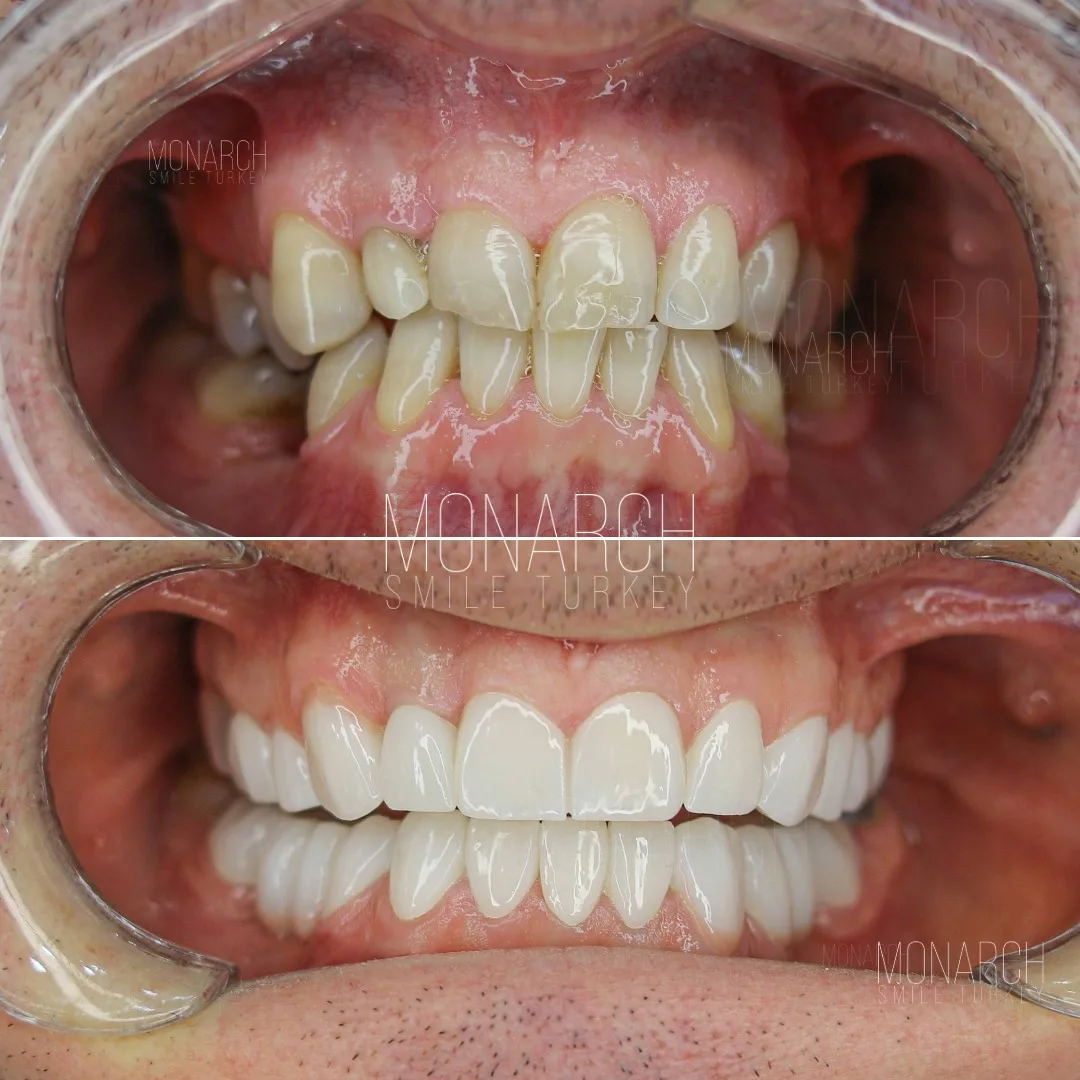
What are dental caps?
A dental cap is a custom-made cover that goes over a tooth that is broken or weak. It brings back the tooth's shape, size, strength, and appearance. Crowns are often suggested after root canal treatment, for teeth that are cracked or worn, or to hold up dental bridges.
Average lifespan of dental caps
Dental caps usually last between 10 and 15 years. But with good care, many crowns can last 20 years or more. Some high-quality materials, like porcelain or zirconia, are known for their durability and how strong they are.
Here's a rough breakdown by material:
- Porcelain crowns: 10-15 years (high aesthetics, moderate strength)
- Zirconia crowns: 15-20 years or more (aesthetics, durable and long-lasting)
- Metal crowns (gold or alloy): 20 years or more (extremely durable, less aesthetic)
- Porcelain-fused-to-metal (PFM): 10-15 years (balance of strength and appearance)
- Composite resin crowns: 5-10 years (more affordable, less durable)
Things affecting the lifespan of dental caps
The lifespan of a cap is influenced by the factors listed below:
Your oral hygiene
Oral hygiene is one of the primary factors. Flossing, brushing your teeth twice a day and visiting the dentist regularly help maintain the health of the underlying tooth and surrounding gum.
What you eat and drink
Just as with natural teeth, chewing hard foods such as ice, nuts or hard sweets can damage crowns. Avoiding these habits can significantly extend the lifespan of your crowns.
Teeth grinding (bruxism)
Teeth grinding (bruxism) can cause crowns to wear down prematurely. Dentists usually recommend a night guard in such cases.
The quality of the procedure
A cap fitted by a skilled dentist using high-quality materials will last much longer. It is very important that it is fitted and cemented with precision.
The location of the cap
Caps on molars (back teeth) are subjected to greater pressure during chewing, which may shorten their lifespan compared to crowns on front teeth.
To make dental caps last longer:
- Use fluoride toothpaste to brush your teeth twice a day.
- Floss around the crown to keep plaque from building up.
- Avoid biting hard objects such as ice, pens, or nails.
- If you grind your teeth, wear a night guard.
- Go to the dentist every six months for checkups and cleanings.
Signs that your dental cap needs replacement
No matter how high-quality your cap is or how well you take care of it, since they have a limited lifespan, be aware of the following signs:
- Pain or sensitivity around the tooth with the cap,
- Visible cracks or fractures,
- Receding gums exposing the edge of the cap,
- Looseness or movement of the crown,
- Discolouration or aesthetic imperfections,
If you notice any of these signs, it is advisable to consult your dentist immediately.
Are dental caps worth it?
Yes, they are. Dental caps not only make your smile look better, but they also make it work better. If you take care of them, they can be a long-term solution that keeps you from having to get more complicated and expensive treatments in the future.
So, how long do caps last? The average lifespan is about 10 to 15 years, but with the right care, many patients can use their crowns longer. The most important things are to choose a good dentist, the right material, and to keep up good oral hygiene.
Note
- Before and after images/videos were taken in the same clinical environment and under the same technical conditions.
- Written and explicit patient consent has been obtained.
- This content is shared for informational purposes only.
- Results may vary from person to person.
For more detailed information, please contact us or visit us at our dental clinic.