
One of the most common questions patients have about dental implants is when they can eat normally again. Dental implants are a common and effective way to replace missing teeth, but the time it takes to heal can be different for each person. The implants are made to last a long time and work well, but you should wait until your mouth has healed before you start eating normally again. In this article, we'll talk about the healing process and when it's safe to eat normally again after getting dental implants.
Why is Diet Important After Dental Implant Surgery?
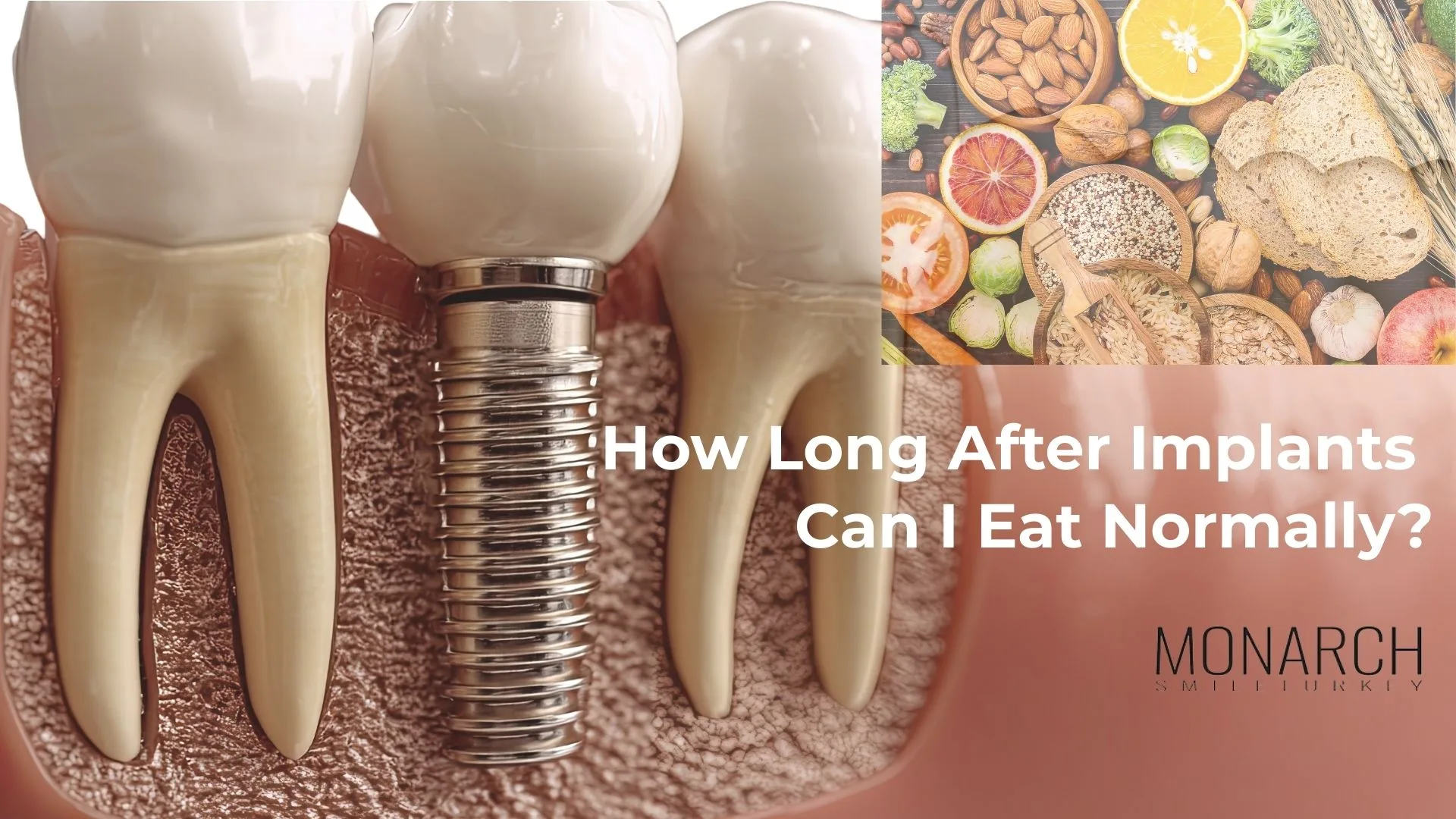
You may question why a piece of titanium would need a special diet. The reason for a specific diet exists in how your body heals. When we place an implant, we are asking your bone to grow around and onto a foreign object to lock it in place. This process is called osseointegration, which transforms the implant from a loose screw to a solid part of your body.
At the moment immediately after surgery, the implant is being held in place only by the friction of the threads against the bone, similar to a screw in a piece of wood. In the weeks following surgery, your body will dissolve a little bit of the damaged bone surrounding the site of the implant before forming new, stronger bone. This creates what is called a "stability dip". The stability dip is usually seen somewhere between the third and fifth weeks. During this specific window, the implant is extremely vulnerable.
If you eat hard or chewy foods during this time, you will create tiny motions at the site of the implant. You may not be able to feel these motions, but they can interfere with the bone's ability to bond to the post. Instead of solid bone growing around the post, the body may form softer, temporary scar tissue that cannot properly support a tooth. This can lead to a loose implant that may need to be removed.
Additionally, healing requires energy. Your body needs an abundance of the materials needed to repair tissues and build bone. High-quality proteins provide the frameworks that help your body to rebuild its tissues, while specific vitamins and minerals aid in the formation of bone. On the other hand, a diet high in sugars encourages harmful bacteria in the mouth, which can increase the chances of developing an infection around the healing site of the implant.
How Long After Dental Implants Can I Eat Normally?
After dental implants, the general expectation for full recovery and unrestricted diet is typically 3-6 months. While you will begin to transition from liquids to soft foods such as eggs and pasta by the end of the first week, all forms of hard, crunchy or sticky foods must be avoided until the bone has completely bonded with the titanium post.
This process is extremely fragile, and excessive chewing pressure applied too soon significantly increases the risk of implant failure. Complete freedom to eat as desired does not occur until your dentist has confirmed the site is stable and the final crown is securely in place.
What can I Eat After Dental Implant Surgery?
Timeline: Eating After Dental Implants
There is a distinct order that the foods eaten after receiving dental implants should follow. Each phase mirrors the process of bone healing.
0-48 Hours After Surgery
In the immediate two days after surgery, protecting the blood clot that has developed at the site of the surgery is crucial. This blood clot is a natural biological bandage that prevents the bleeding and contains the cells necessary to begin rebuilding new tissue.
During this time, a strictly liquid diet is required. Temperature is crucial. All beverages consumed must be either cool or lukewarm. Hot liquids can cause the blood vessels to expand and lead to increased bleeding or swelling.
It is essential to avoid sucking on a straw. The vacuum created by sucking on a straw can dislodge the blood clot from the socket of the tooth. This condition is referred to as "dry socket" and can lead to additional bleeding. Sipping from a cup or using a spoon is recommended.
Examples of acceptable foods include:
- Cool broths
- Meal replacement shakes
- Smoothies without seeds
Days 3-7 (Soft Food Phase)
By day three, the initial risk of bleeding has usually diminished, although swelling may still exist. The blood clot has begun to convert into early stages of healing tissue. At this point, the diet transitions to a "no-chew" or "fork-mashable" diet.
When determining if a food is suitable for consumption, the rule of thumb is to determine whether the food can be easily mashed with a fork. If the food must be ground between the teeth to consume it, then the food is too hard. Additionally, you should attempt to chew on the side of your mouth opposite the location where the surgery was performed to avoid inadvertently placing pressure on the sensitive area.
Examples of acceptable foods include:
- Mashed potatoes
- Yoghurt
- Scrambled eggs
- Soft pasta
2-6 Weeks (Gentle Chewing Stage)
During the next four weeks, your body will develop new bone around the implant; however, this new bone is still soft and unorganised. Therefore, the bone is not yet capable of supporting strong biting forces.
You can begin consuming slightly firmer textured foods, but the same rules still apply: No hard, no crunchy, no sticky. Even though your gums appear to have healed and the sutures have been removed, the bone beneath them is still in that "stability dip" previously discussed. Consuming a piece of popcorn or a hard nut at this time could jeopardise the entire process.
Examples of acceptable foods include:
- Ground meats
- Flaky fish
- Soft-cooked vegetables
- Rice
2-3 Months (Adapting to More Foods)
By the second and third months, the bone has usually become significantly harder. Assuming that your check-ups indicate good stability, we may permit you to transition to a more regular diet.
Be aware that you likely have a temporary crown or a healing cap on the implant and not the final tooth. Temporary crowns and caps are not designed for heavy chewing, and therefore, while you can consume most common table foods, you should continue to chop tough items such as meat into smaller pieces and avoid consuming very hard foods such as ice or hard candy.
Foods to Avoid During Recovery
To ensure a successful recovery, there are certain food categories that you must treat as taboo. The purpose of avoiding these foods is to minimize the potential for physical damage to the site of the implant and chemical irritation to the wound.
- Hard Foods: Hard foods such as ice cubes, hard candies and nuts, can exert a significant amount of pressure on the fragile bond between the bone and the titanium. This can result in breaking the bond and preventing the bone from properly bonding to the titanium.
- Crunchy Foods: Crunchy foods such as chips, pretzels and popcorn can shatter into sharp fragments. These fragments can pierce the healing gums or even get caught between the gums and the implant, resulting in an infection.
- Sticky Foods: Sticky foods such as taffy, caramels, and gummy candies can adhere to the hardware of the implant. When attempting to pull your teeth apart with suction, the tension placed on the implant can result in movement at the implant site.
- Spicy Foods: Spicy foods such as hot peppers and strong seasonings can cause the blood vessels to dilate. This dilation of the blood vessels can cause the surgical site to bleed excessively, become swollen, and sting the sensitive tissue.
- Acidic Foods: Acidic foods such as tomatoes, lemons, and vinegar can chemically irritate the wound. The wound may take longer than usual to close and potentially develop further complications.
DOS and DON'TS After a Tooth Implant?
Your behaviour at home is equally important to the surgeon's skill level. By following these recommendations, you will reduce your risk of experiencing complications.
Important "DOS"
Cleanliness is key: For the first day or two after surgery, you should not brush directly on the wound, but you must keep the rest of your mouth clean. Use the prescribed rinse or warm salt water to gently wash the bacteria from the rest of your mouth.
Protein is necessary: As stated previously, healing is an energy intensive process. To facilitate the process of healing, you must consume a surplus of protein, which will provide the amino acids necessary to knit tissue back together. If you are unable to consume meat, use protein shakes.
Raise your head: For several nights after surgery, you should sleep with additional pillows to elevate your head above your heart. Gravity will assist in draining fluids away from your face, which will decrease the swelling and pain in your face.
Important "DON'TS"
Smoking/Vaping: This is the number one cause of implant failure. Nicotine causes the tiny blood vessels in your jaw to constrict, thereby restricting the flow of oxygen to the bone necessary for healing. Essentially, smoking/vaping starve the new bone of oxygen.
Heavy Exercise: Before resuming strenuous exercise, wait for at least one week. Elevated heart rates and blood pressures can increase the risk of additional bleeding at the surgical site and increase swelling.
Touching/Checking the Wound: There is a strong temptation to use your tongue or finger to examine the surgical site. Please refrain from doing so. Touching the site introduces bacteria, and the movement of your tongue or finger disrupts the healing process.
Why No Dairy After Dental Implant?
Dairy can be problematic for wound healing as it coats the mouth, making a surface for bacteria to grow. It also has a lot of calcium. When you take certain types of antibiotics (such as tetracycline or doxycycline), the calcium in dairy binds with the antibiotic in your stomach, preventing your body from being able to absorb the antibiotic, making the antibiotic less effective in fighting off infections.
Additionally, many people experience nausea when drinking dairy while on pain medication, which makes vomiting after oral surgery even more dangerous due to the high pressure caused by the vomit and the introduction of the acidic nature of the stomach into the wound.
What to Eat After Dental Implant Surgery?
While you will need to eat to promote healing, you will want to focus on what you can safely eat. The goal is to find a good balance between providing yourself enough nutrients to promote healing while minimising the potential for complications such as infection.
Immediate Postoperative Period (0-48 hours):
Your focus should be solely on hydration and nutrition that does not require chewing. Protein shakes and broths are both acceptable options for hydration and nutrition that do not require chewing. Applesauce is another option as it is easy to swallow and provides some energy through the sugars present.
Transition Phase (Days 3-14):
Gradually transition to soft solids that are more nutrient-dense. Soft proteins (eggs, tofu) and carbohydrates (mashed potatoes, well-cooked pasta) are both great options for feeling full and providing sufficient calories during the transition period.
50 Soft Foods to Eat After Dental Implant Surgery
Here is a categorised list to help you plan your meals so you don't get bored during recovery.
Suitable Foods
These items are safe because they require minimal jaw pressure to break down.
Breakfast
- Scrambled eggs (soft and fluffy)
- Poached eggs
- Oatmeal (slow-cooked until creamy)
- Cream of wheat
- Soft pancakes (cut small, soaked in syrup to soften)
- Waffles (soft, not crispy)
- Ricotta cheese
- Turkish yoghurt (after the first 3 days)
- Cottage cheese
- Smoothies (no seeds, spoon-fed)
Lunch & Dinner
- Flaky fish (salmon, cod, or tilapia)
- Ground beef (cooked tender and chopped fine)
- Ground turkey
- Soft meatloaf
- Tofu cubes
- Hummus (plain, no pine nuts)
- Refried beans
- Lentil soup or dahl
- Risotto (cooked soft)
- Macaroni and cheese
- Pasta shells (overcooked slightly)
- Egg salad
- Tuna salad (smooth, no celery chunks)
- Quiche (crustless is better)
- Shepherd’s pie
Snacks
- Guacamole (smooth)
- Mashed avocado
- Applesauce
- Jell-O
- Pudding
- Chocolate mousse
- Custard
- Soft Brie cheese (no rind)
- Pureed fruit pouches
- Soft muffins (avoid bran or nuts)
Fruits & Vegetables
- Mashed potatoes
- Mashed sweet potatoes
- Steamed carrots (very soft)
- Pureed squash
- Mashed bananas
- Canned peaches or pears
- Mashed cauliflower
- Steamed spinach
- Baked apples (peeled)
- Stewed prunes
Drink Options
- Bone broth
- Protein shakes
- Warm herbal tea (not scalding hot)
- Fruit nectar
- Vegetable juice
Meal Ideas
You can mix and match these. For breakfast, try a protein smoothie with banana. For lunch, a bowl of lentil soup is filling and safe. For dinner, try poached salmon over soft risotto with a side of creamed spinach.
Tips for Eating Comfortably After Dental Implants
There are several tips that can help you eat comfortably after dental implants. Temperature calibration is important because of the anesthesia used in the procedure. Your mouth may be numb in areas where the anaesthesia was administered. You may not know if the food is too hot until it burns your throat or the surgical area.
Before eating anything, test a small amount of the food on your lip to determine if it is too hot. Mechanical slicing is also beneficial. Instead of trying to slice food with your teeth, use your knife to cut your food into small pieces, approximately the size of a pea. This reduces the amount of opening you will need to perform with your mouth and reduces the amount of chewing required.
Staying hydrated is also important. Drinking water between bites will help prevent food particles from getting stuck near your stitches. Chew carefully, and try to chew on the opposite side of your mouth. This requires concentration, but will protect your new dental implant from excessive pressure.
Frequently Asked Questions
How long after all-on-4 dental implants can I eat normally?
All-on-Four is a procedure that allows for placement of a full arch of teeth using only four dental implants. Because these implants are placed immediately adjacent to one another, the risk of complications associated with the All On Four procedure is increased. Therefore, you will be required to follow a liquid or ultra-soft diet for the first two weeks after surgery. Following the first two weeks, you will be permitted to begin consuming a soft food diet (do not consume any foods that are harder than a flaky fish). Typically, patients are unable to resume their normal diet (including steak and apples) until at least four to six months post-surgery, at which time the bone remodelling process will be complete.
How long after implants can I eat regular food?
A typical timeline for resuming a "normal" diet following a standard single dental implant is between three and six months post-surgery. While you will likely be able to eat many of the same foods you would normally eat within a week or two of surgery, the "hard, crunchy, tough" restrictions will remain in effect until your dentist determines that the bone remodelling process is complete. Attempting to rush this process could lead to failure of the implant months later.
How long should you wait to drink alcohol after dental implants?
You should wait at least 72 hours, but ideally 2 weeks, to allow your blood to thin and reduce your risk of bleeding. It also slows down the healing process of your bone cells. Most importantly, if you are prescribed painkillers or antibiotics, you must refrain from drinking alcohol until you have completed them.
Can I eat a burger after a dental implant?
Yes, you can eat a burger, but you must modify it. Avoid biting directly into a burger with your front teeth for at least 4 to 8 weeks. Modify the burger to fit your needs. Cut it into extremely small pieces. Use a soft bun, and avoid crunchy toppings such as raw onions or crisp lettuce. Eat it with a fork.
For more detailed information, please contact us or visit us at our dental clinic.