
What is composite bonding?
Composite bonding is a tooth-colored resin material applied to the teeth to fix chips, gaps, or shape problems.
We take a tooth-colored material and apply it directly onto your tooth, then shape it by hand to fix things like small gaps, chips, or uneven edges. There is no major cutting, no complicated process.
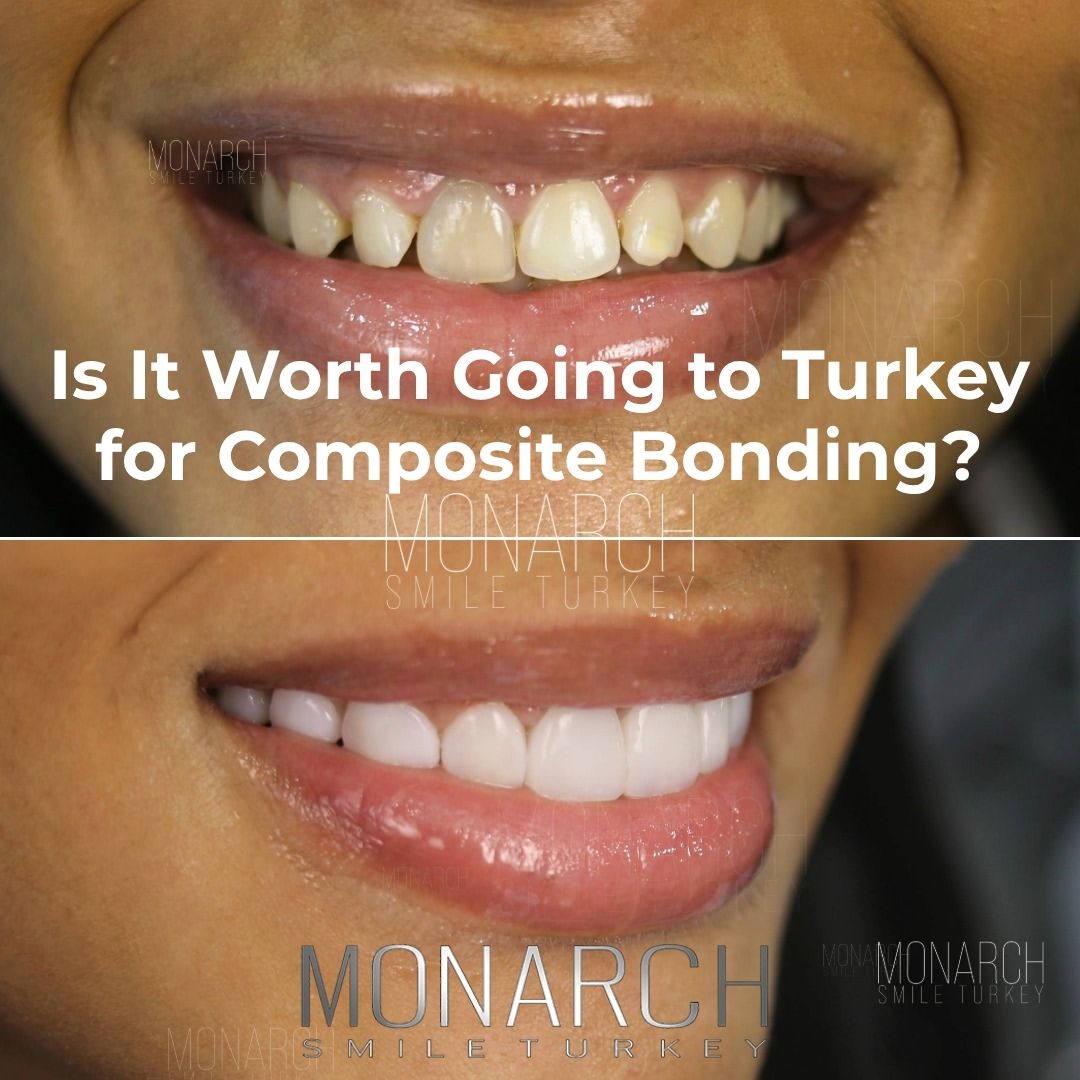
Is it worth going to Turkey for composite bonding?
Composite bonding in Turkey is a great option if you are looking for an affordable way to improve your smile without sacrificing quality. Antalya has become one of Europe’s leading centres for dental tourism, with experienced cosmetic dentists, modern clinics and internationally respected standards of care at prices far lower than in the US, UK, and many other European countries.
Composite bonding is a minimally invasive solution that can fix chipped teeth, close small gaps, reshape uneven edges and improve tooth colour – often in just one visit. For those seeking a conservative cosmetic treatment with instant results, composite bonding is an excellent choice because it requires little or no removal of natural tooth structure.
If you select Antalya for your composite bonding, you can combine your dental treatment with a relaxing holiday on the Mediterranean. Many clinics offer personalised treatment plans, English-speaking staff, airport transfers and help with accommodation so the whole experience is smooth and stress-free. Turkey is the place to go for patients looking for a natural-looking smile makeover without the heavy price tag, with quality materials, talented cosmetic dentists and major cost savings.
Benefits of Composite Bonding in Turkey, Antalya
Choosing composite bonding in Antalya, Turkey means a combination of affordability, quality and convenience that attracts thousands of international patients every year. Here are some of the key benefits:
More Affordable: Major Savings
Composite bonding in Turkey is much less expensive than it is in the UK, US, Germany and many other European countries, so patients can get a great smile at affordable prices.
Minimally Invasive Treatment
There is very little, if any removal of natural tooth enamel, making composite bonding a conservative and reversible cosmetic option in many cases.
Natural Looking Results
Carefully colour-matched to your natural teeth using the highest quality composite resin for a seamless, attractive smile that looks beautiful alongside your existing teeth.
Quick Smile Transformation
The majority of composite bonding procedures can be completed in a single appointment, making it an ideal choice for patients visiting Antalya for a short stay.
Experienced Cosmetic Dentists
Antalya is home to highly experienced cosmetic dentists who regularly treat international patients and apply modern techniques to reach precise aesthetic results.
Modern Dental Clinics
The best dental clinics in Antalya are equipped with the latest technology, digital smile design systems, and quality materials that meet international standards.
Comfortable Dental Tourism Experience
Many clinics offer all-inclusive packages, including airport transfer, hotel assistance, multilingual staff, and personal treatment coordination, ensuring a hassle-free experience.
Fast Recovery
Composite bonding is a non-surgical procedure so patients can go back to their normal activities immediately after treatment with little to no downtime.
Easy Repairs and Adjustments
If a bonded tooth chips or wears down over time, it can often be repaired quickly and inexpensively, without having to replace the entire restoration.
Combine Your Dental Treatment with a Holiday
Thanks to Antalya’s attractive beaches, historic sites, agreeable weather, and lively culture, patients can enjoy a relaxing Mediterranean holiday while improving their smile.
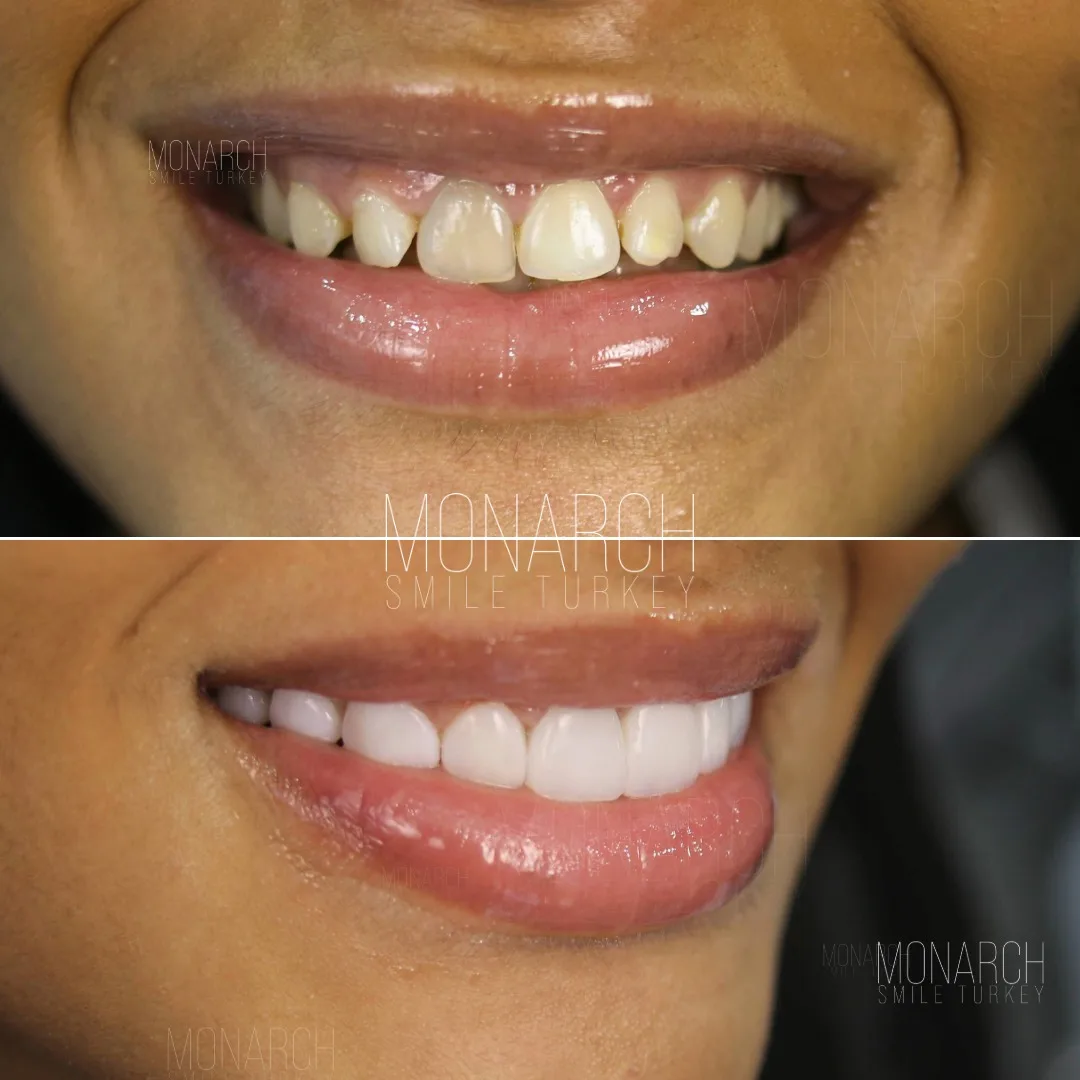
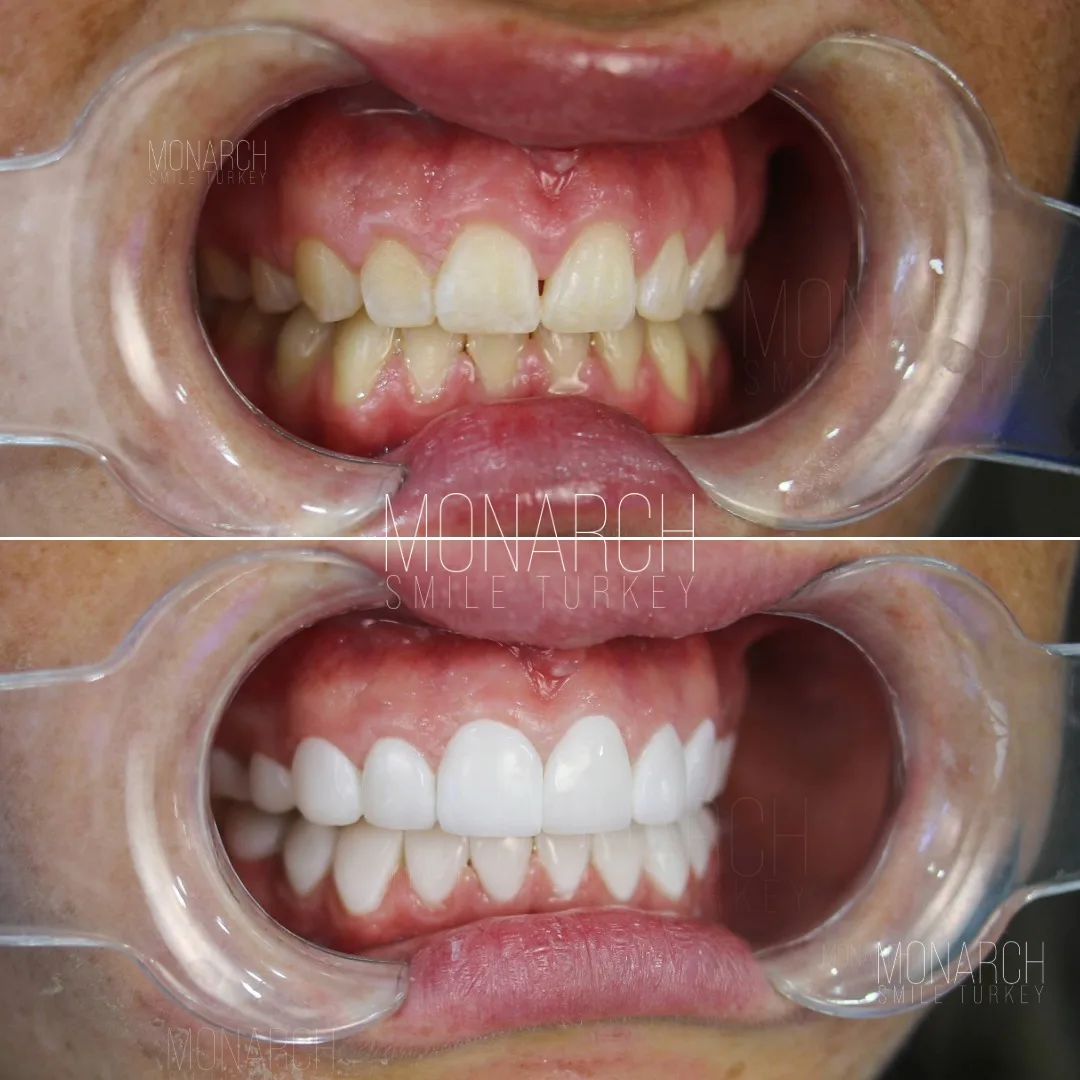
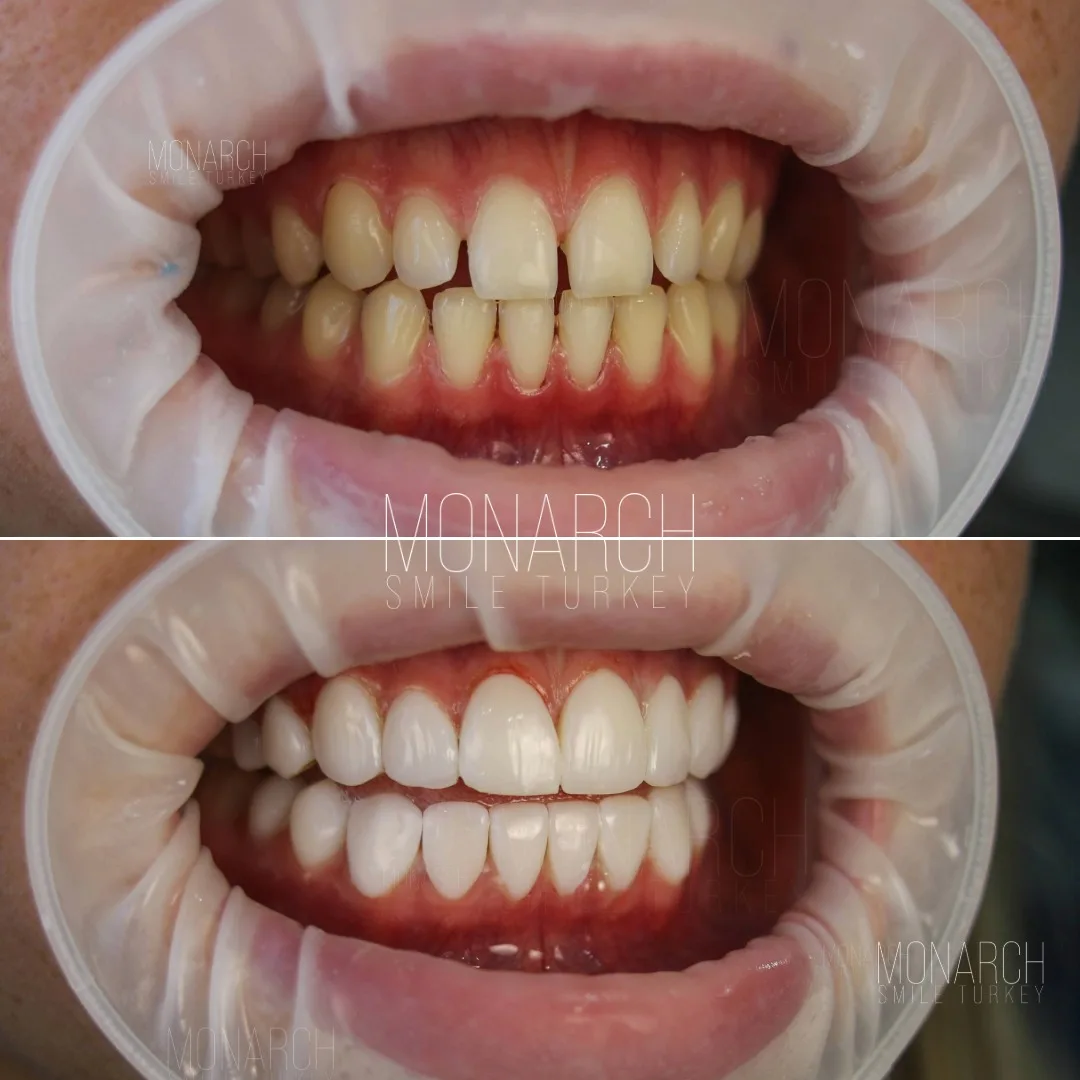
Composite Bonding Before and After in Turkey, Antalya
To see more, please click here!
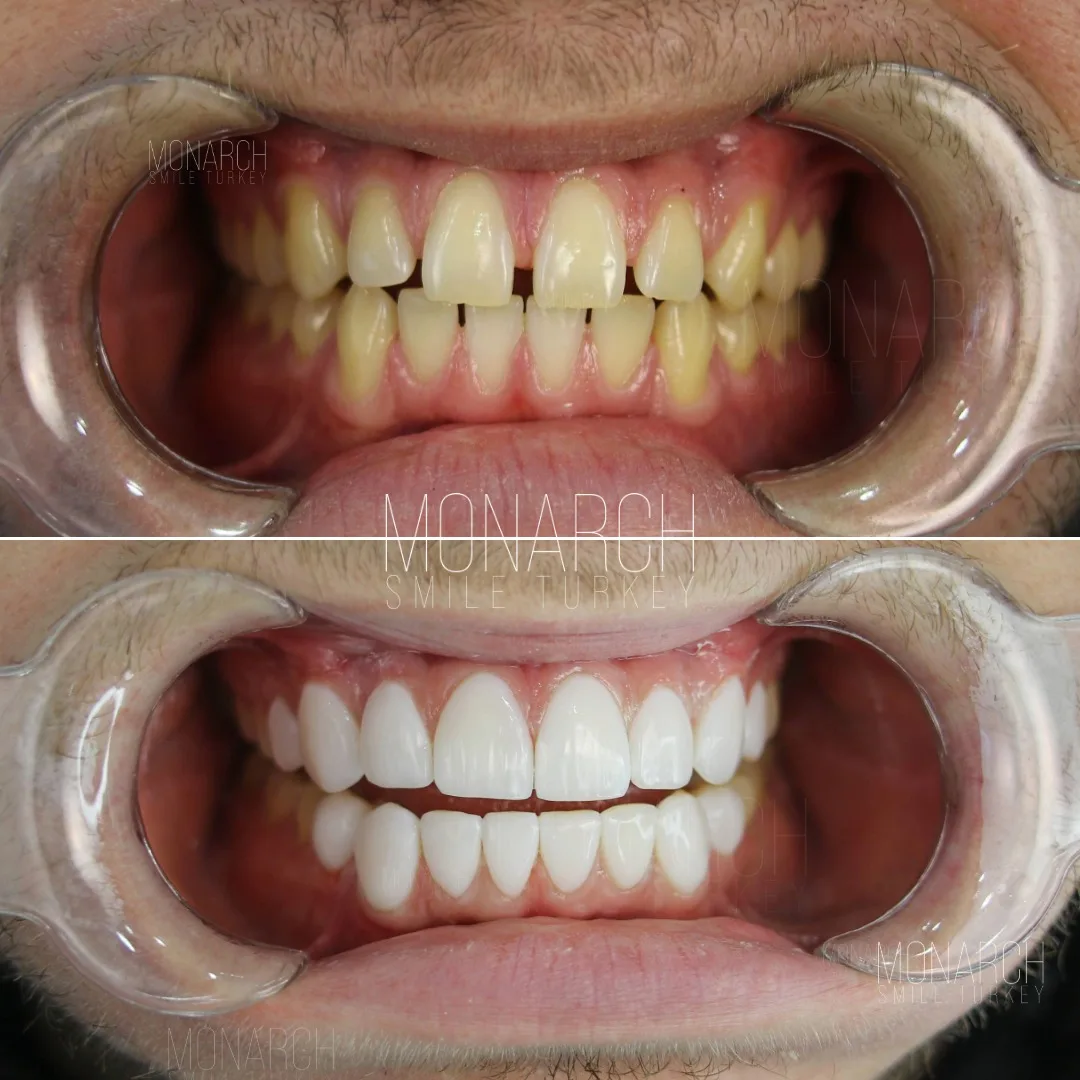
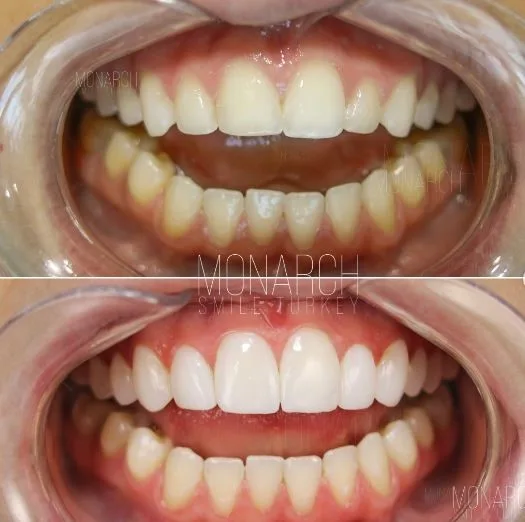
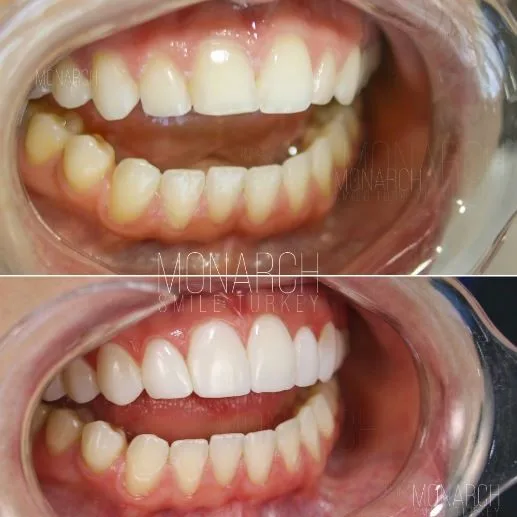
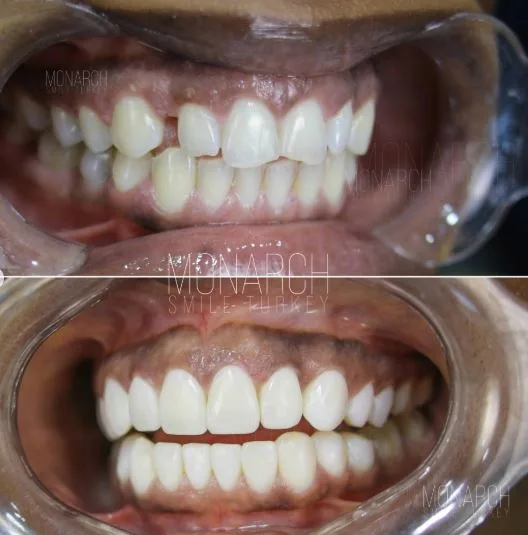
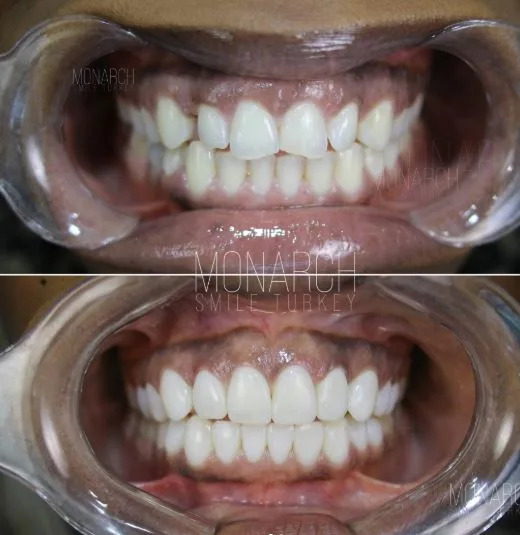
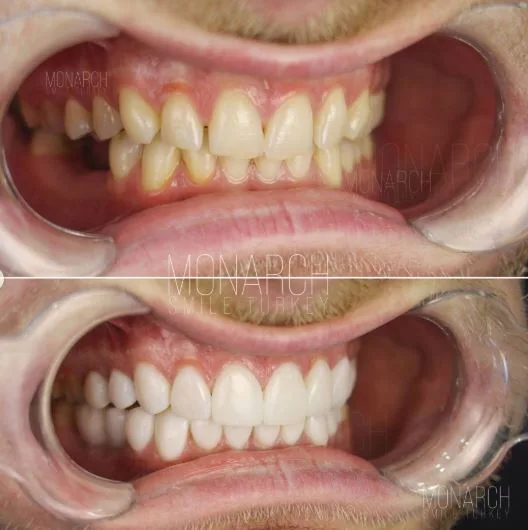
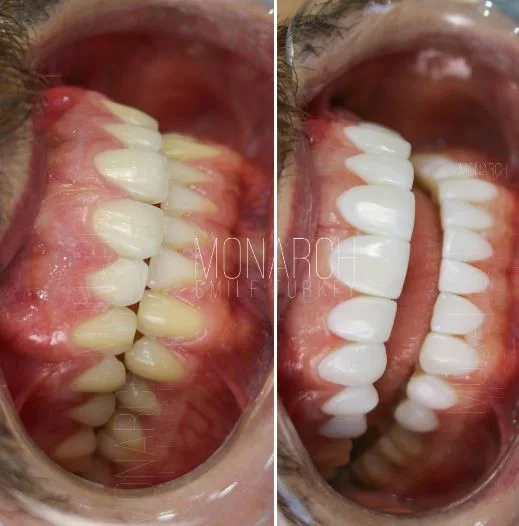
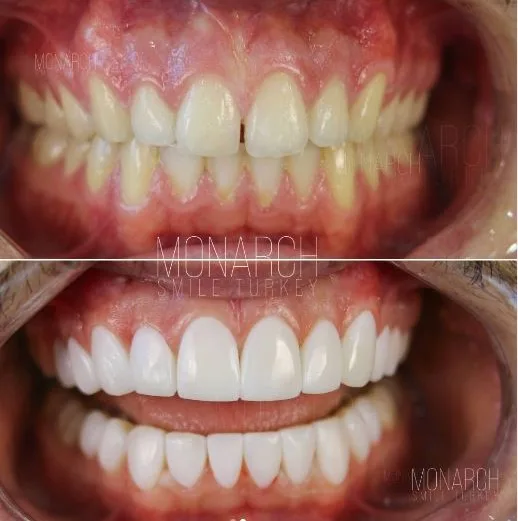
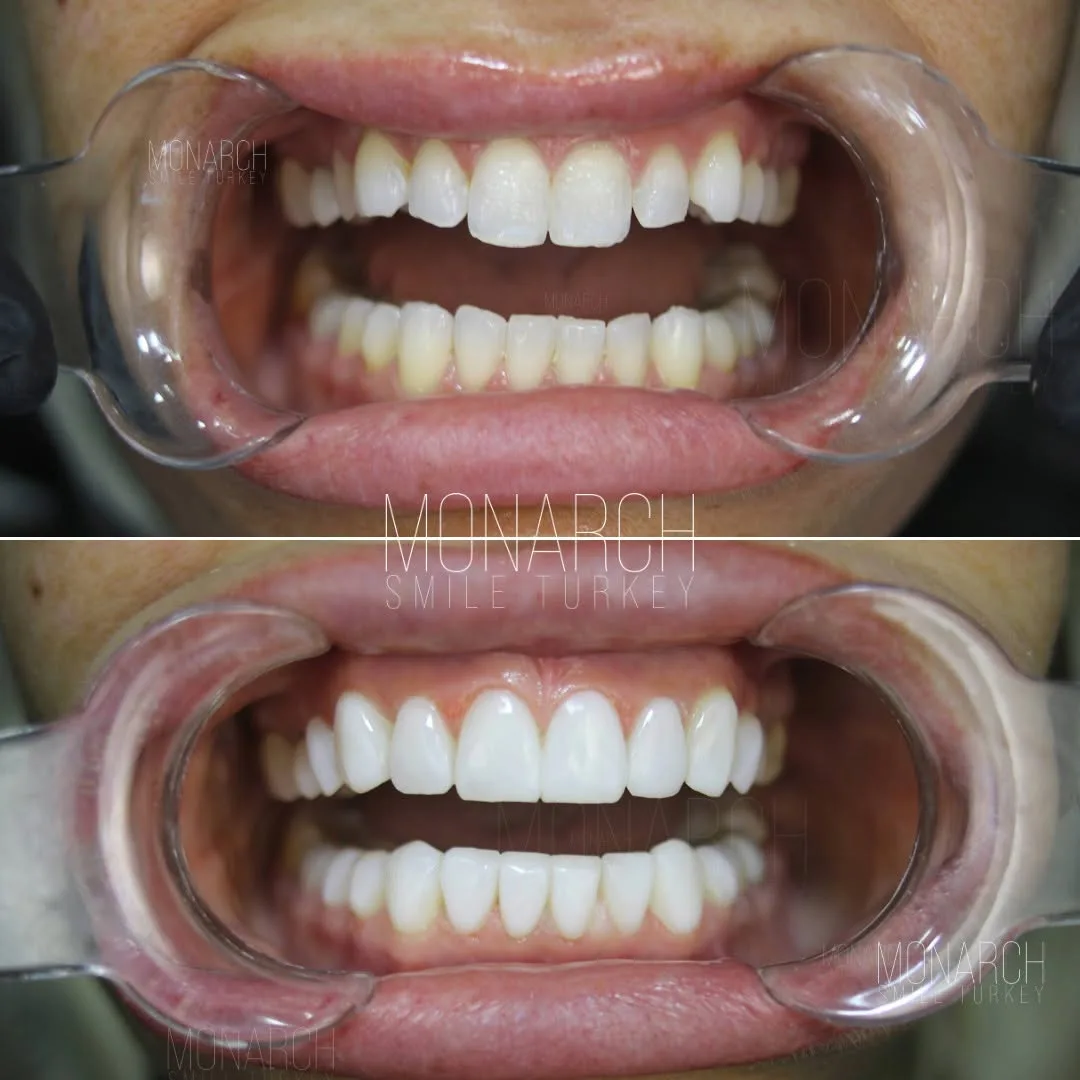
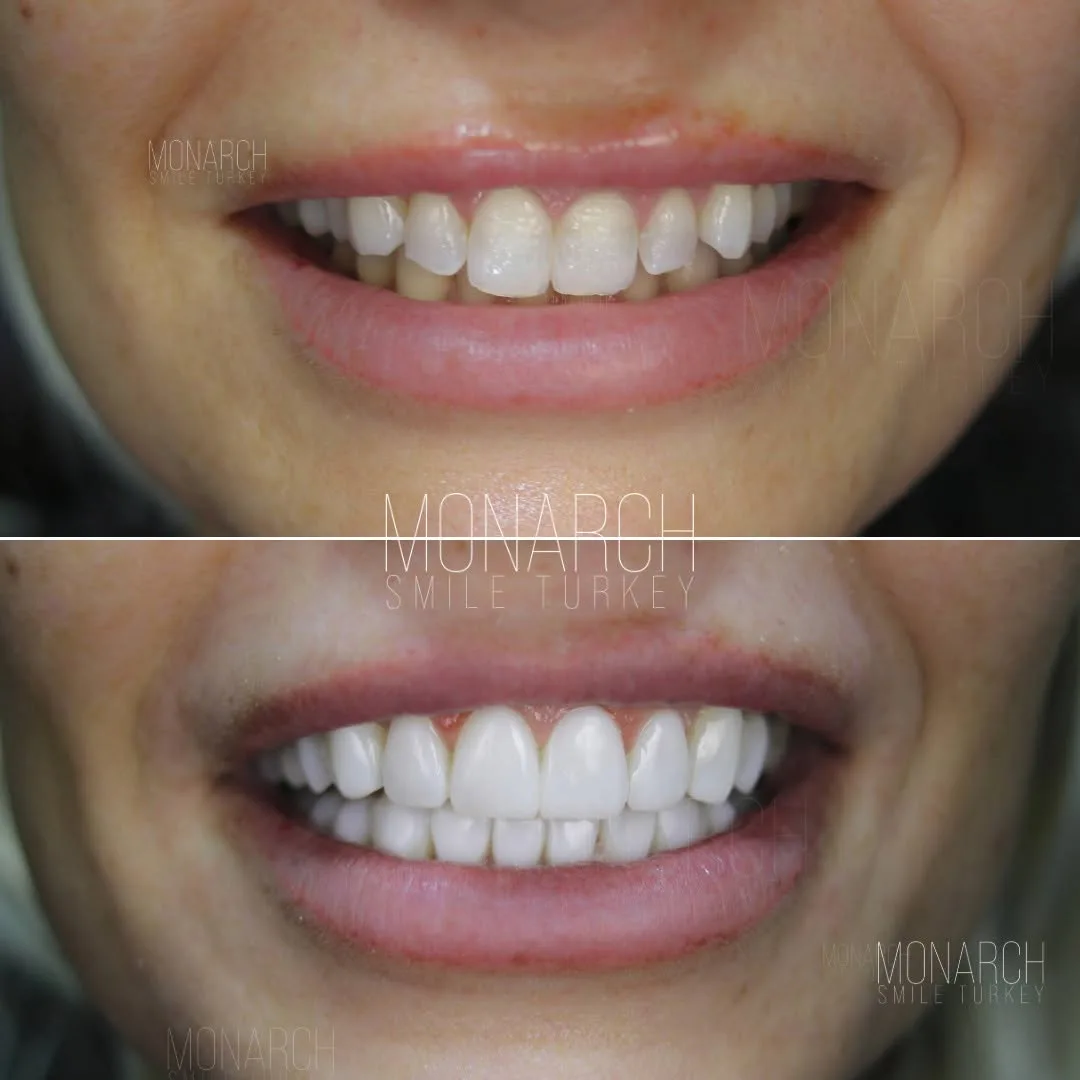
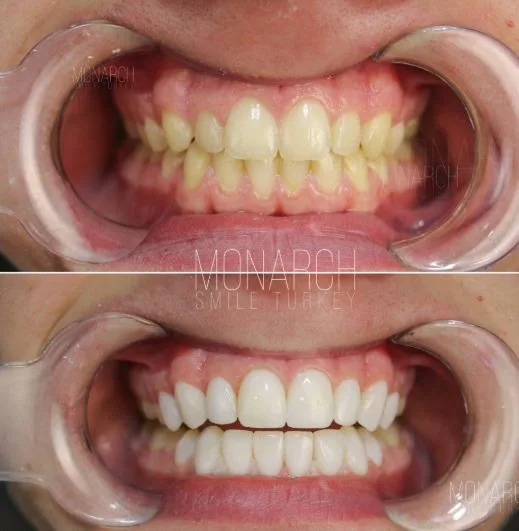
Composite Bonding Patient Testimonials
How does composite bonding work?
Composite bonding is a straightforward cosmetic dental procedure.
First, your dentist checks your teeth and talks with you about what you want to fix. Maybe there’s a small gap. Perhaps one of your teeth chipped slightly years ago. Maybe a tooth just looks uneven and bugs you every time you smile.
Then comes the easy part.
The dentist lightly prepares the surface of your tooth so the material sticks properly. Usually, there’s very little drilling, and in many cases, no injections are needed.
Next, the dentist applies the tooth-coloured composite material directly onto your tooth. Little by little, they shape it by hand until it matches the size and shape that looks right for your smile.
Once the shape is confirmed, a special blue light is applied to the tooth. That light hardens the material in seconds.
Then comes the final touch. Your dentist smooths it, polishes it, checks your bite, and makes tiny adjustments.
That’s it.
Don't be afraid! No big surgery or long recovery. You usually walk out the same day with the result already there in the mirror.
How long does dental bonding last?
Composite dental bonding can last from 5 to 10 years depending on your oral hygiene, lifestyle habits, and where the bonded tooth is located. To prolong its life, steer clear of hard foods, don’t bite your nails, and restrict staining drinks such as coffee or red wine. With regular dental check-ups and good care, composite bonding can be attractive and functional for many years before a simple touch-up or replacement.
How to maintain your composite bonding (How can I care for my composite bonding?)
So, you got composite bonding done. Now the question becomes: how do you keep it looking good for years instead of months?
First thing. Brush normally, but don’t brush like you’re scrubbing burnt food off a pan. Composite bonding is strong, but going super aggressive with a hard toothbrush every day is not doing it any favours. Soft brush, gentle pressure, twice a day.
Floss too. Many patients think "bonding" means "maintenance-free". Not true. The edges where your bonding meets your natural tooth need proper cleaning.
Coffee person? Tea? No need to panic and give up everything you love. But if you drink staining stuff all day and never rinse afterward, bonding can slowly pick up colour over time. You should rinse your mouth with water after coffee.
Smoking significantly increases the risk of staining. It stains faster than natural enamel sometimes.
If you grind your teeth at night, tell your dentist. A night guard will save you from chips and cracks later. A lot of people don’t realise they grind until their bonding starts to wear down.
Try not to bite ice cubes. Pens too. Opening packages with your teeth? Please don’t. Your bonding is there to improve your smile and to eat easily, not to replace scissors.
If something goes differently, if you feel discomfort, don’t wait; visit your dentist.
Dentist cleanings matter. Even if everything looks fine. Go anyway.
What determines how long composite bonding takes?
- How many teeth are being treated. One tooth might take 30 to 60 minutes. Multiple teeth naturally take longer.
- The size of the repair. A tiny chip is quick. Bigger reshaping needs more time and detail.
- Small fix or full smile makeover. Closing one gap is very different from changing several teeth together.
- Tooth shape and position. Front teeth usually need extra attention because every little detail shows.
- Color matching. We take time matching the shade so the bonding blends naturally with your real teeth.
- Old fillings or bonding removal. If something needs replacing first, treatment takes longer.
- Extra dental work first. If there’s decay or gum problems, we deal with those before bonding.
- Planning and technique. Composite bonding is part science, part art. Sometimes spending a little more time gives a much better smile.
Veneers vs Dental Bonding: Which one is better?
| Criteria | Composite Bonding | Dental Veneers |
|---|---|---|
| Tooth Preparation | Minimal or none. The natural tooth structure is mostly preserved. | Requires enamel removal, which is permanent. |
| Appearance | Natural and subtle. Ideal for small cosmetic improvements. | Highly polished and uniform for a premium smile makeover. |
| Eligibility | Best for minor chips, small gaps, and edge corrections. | Suitable for more extensive smile transformations and severe discoloration. |
| Cost | More budget-friendly. | Higher initial cost but a long-term investment. |
| Durability | Moderately durable but may chip over time or with certain habits. | Strong, stain-resistant, and long-lasting. |
| Maintenance | May require occasional polishing and touch-ups. | Low maintenance with stable colour over time. |
| Treatment Time | Usually completed in a single visit. | Typically requires two or more appointments. |
So… which one’s right for you?
Let's have a candid discussion to determine the best option for you.
Your budget matters. If you're not ready to spend big, bonding is a solid option.
What are you fixing? Small stuff = bonding. Bigger changes = Porcelain veneers or Emax veneers.
How long do you want it to last? Quick fix? Bonding. Long-term glow-up? Veneers.
How much change do you want? One tooth? Bonding. Whole smile transformation? Veneers.
Your vibe: Like things easy, clean, and low-stress? Veneers. Okay with a little upkeep and want something more flexible? Bonding could be better.
And seriously don’t stress too much.
Go see a dentist you trust. Show them your teeth. Say what bugs you.
In the end, both are good options. Just pick what fits your life right now. And whatever you choose, you’re on your way to a smile you’ll feel good about.
What is the difference between a white filling and composite bonding?
The material is usually the same, but the goal for using it is different.
A white filling is mainly used to repair a tooth damaged by decay or a cavity. Composite bonding is more about improving how teeth look, like fixing chips, small gaps, or uneven edges or changing tooth shape.
Simple way to think about it: white fillings fix damage. Composite bonding improves appearance.
How long does composite bonding last on front teeth?
Composite bonding on front teeth usually lasts around 5 to 7 years. Front teeth often hold bonding a bit better than back teeth because they usually deal with less heavy chewing pressure.
How much does composite bonding cost?
Prices typically range from €100 to €200 per tooth depending on the complexity of the case and the amount of composite required. In Turkey, prices are quite a bit more reasonable compared to Europe and US. That’s actually why so many patients fly in just for dental work.
So, if you want something accurate for your case, not just a general range…
For a detailed evaluation and exact pricing, contact us.
When is composite bonding not suitable?
- Very large cavities. A filling or crown may work better.
- Severe tooth damage. Sometimes crowns or veneers give stronger support.
- Heavy teeth grinding (bruxism). Bonding can chip or wear down faster.
- Major bite problems. Bite correction or orthodontic treatment may come first.
- Very crowded teeth. Braces or clear aligners may be a better option.
- Severe gum disease. Healthy gums come first before cosmetic work.
- Very large gaps between teeth. Orthodontic treatment or veneers might give a better result.
- Weak enamel. Bonding sticks best to healthy tooth structures.
- Very heavy chewing pressure on back teeth. Some cases may need stronger treatments like crowns.
Conclusion
Composite bonding is an excellent choice for patients in Turkey seeking a fast, affordable and minimally invasive cosmetic dental treatment. Antalya has become a trusted destination for natural-looking smile improvements with experienced dentists, modern technology and treatment costs that are significantly lower than many European countries.
Whether you want to fix chipped teeth, close small gaps or boost the overall appearance of your smile, composite bonding can provide great results in just one visit. Choose a reputable dental clinic in Antalya, and you can expect the highest standard of care, personalised treatment, and the opportunity to combine your dental procedure with an enjoyable stay in Antalya.
Frequently Asked Questions
Can you go back to natural teeth after composite bonding?
Yes, in many cases you can, especially if very little or no enamel was removed during treatment.
What are the downsides of composite bonding?
- May chip over time
- Less durable
- Can stain faster
- Needs touch-ups
- Not forever
- Can wear down
- Not ideal everywhere
- Grinding damage risk
- Regular maintenance needed
- Shorter lifespan than veneers
What happens when composite bonding wears off?
When composite bonding starts wearing down, you might notice small chips, rough edges, staining or areas looking less smooth than before.
What happens after 5 years of composite bonding?
Around the 5-year mark, composite bonding often starts to show normal wear and tear. You might notice a little staining, slight chipping, loss of shine, or edges that do not look quite as crisp as day one.
Can composite bonding be done in one day?
Yes, in many cases composite bonding can be completed in just one visit, often within 30 minutes to a few hours depending on how many teeth are being treated.
Does composite bonding hurt?
No, composite bonding usually does not hurt because most cases need little to no drilling, and many people do it without even needing numbing injections.
Is composite bonding worth it?
Yes, for the right person, it absolutely can be. If you have small gaps, chipped edges, uneven teeth, or little things that bother you every time you smile, composite bonding can make a big difference without major dental work, long treatment times, or removing much natural tooth.
How can I care for my composite bonding?
We talked about the procedure in more detail above, but the short version is simple: brush gently, floss every day, and try not to bite hard things like ice or pens. Furthermore, regular dental cleanings and cutting back on things like smoking or too much coffee can help your bonding stay looking good longer.
How to whiten composite bonding at home?
Home whitening products usually do not work on composite bonding the same way they work on natural teeth. If your bonding looks darker or duller, the best move is to see your dentist because polishing, cleaning, or replacing the bonding is often what actually fixes it.
Is composite bonding permanent?
No, composite bonding is not permanent because it can wear down, chip, or stain over time and may need touch-ups or replacement in the future.
Can composite bonding be removed?
Yes, composite bonding can usually be removed or adjusted by a dentist without major changes to your natural tooth in many cases.
Does composite bonding stain?
Yes, composite bonding can stain over time, especially from things like coffee, tea, smoking and red wine.
Can you get composite bonding on crooked teeth?
Yes, mild crooked teeth can sometimes be improved with composite bonding, but more significant crowding or bite problems may need orthodontic treatment first.
For more detailed information, please contact us or visit us at our dental clinic.